
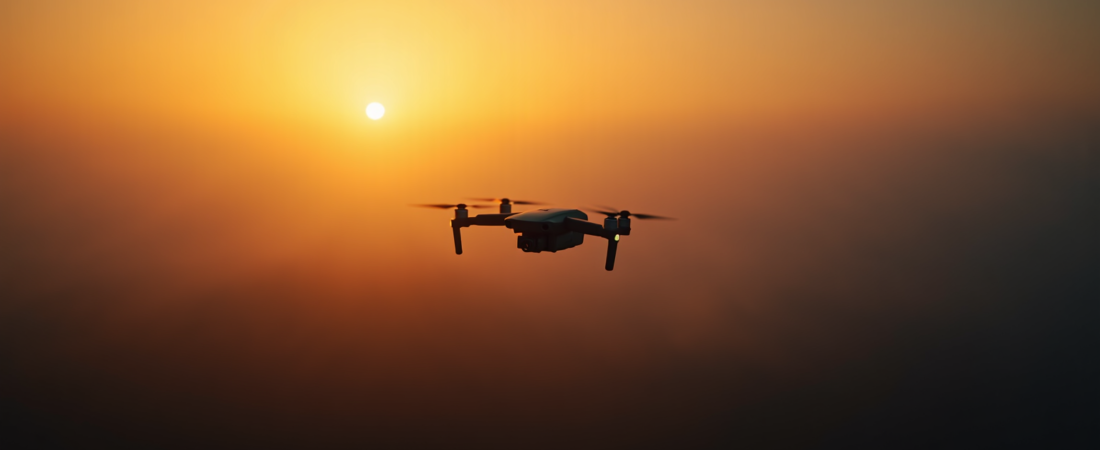
There’s nothing quite like the moment your drone clears the treeline and the world unfolds beneath you — a patchwork of forests, coastlines, and cityscapes rendered in breathtaking detail. Aerial photography has moved from niche novelty to essential creative tool, and in 2026, the technology has never been more powerful, portable, or accessible.
Whether you’re a landscape photographer chasing dramatic light, a videographer crafting cinematic travel films, or a real estate professional needing polished aerial shots, the right drone can transform your work entirely. But with dozens of models flooding the market at wildly different price points, finding the best drone camera for your needs takes more than a quick scroll through spec sheets.
We’ve done the deep dive. Below are the 10 best drone cameras for photography and videography in 2026, chosen for image quality, flight performance, portability, and real-world usability.
What to Look for in a Drone Camera
Before jumping into recommendations, here’s what actually matters when buying a camera drone:
- Camera sensor size: Larger sensors (1-inch or above) perform dramatically better in low light and deliver richer dynamic range — critical for moody, cinematic shots.
- Video resolution & frame rates: Look for at least 4K/60fps for smooth footage. Cinema-grade drones offer 6K or higher.
- Obstacle avoidance: Multi-directional sensors protect your investment in tight environments.
- Flight time: Anything under 25 minutes gets frustrating fast. 30–45 minutes is the sweet spot.
- Wind resistance: Rated in Beaufort scale — Level 5 (38 km/h) is adequate for most conditions.
- Transmission range: O3 or O4 transmission keeps your feed sharp and stable up to 20km away.
- Weight class: Under 250g drones (like DJI Mini series) often bypass strict registration requirements in many countries.
The 10 Best Drone Cameras for Photography & Videography in 2026
1. DJI Mini 4 Pro — Best Overall Compact Drone
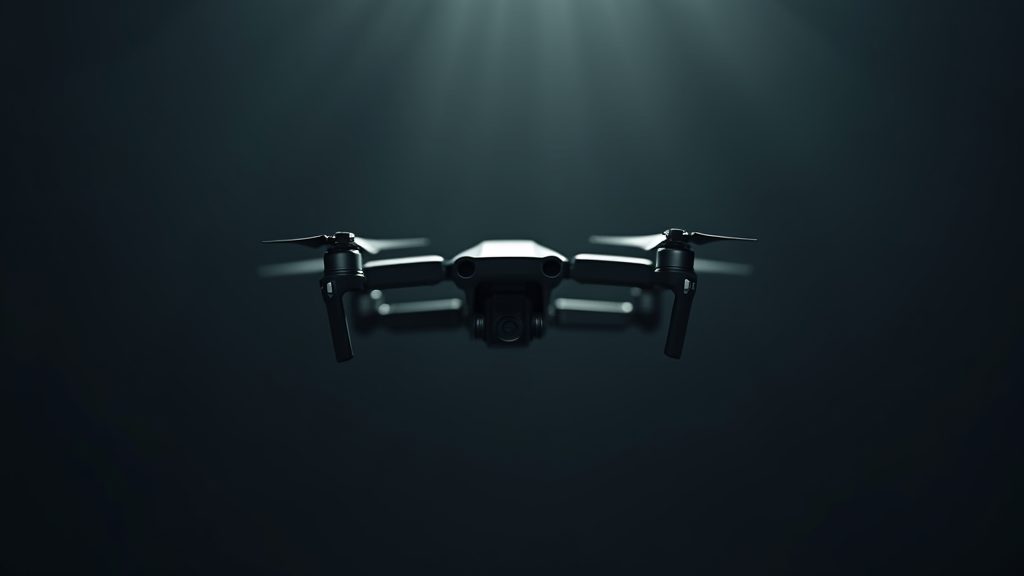
The DJI Mini 4 Pro is the gold standard for photographers who want serious image quality in a sub-250g package. Its 1/1.3-inch CMOS sensor shoots stunning 4K/100fps video and 48MP stills, while omnidirectional obstacle avoidance makes it remarkably forgiving to fly. The ActiveTrack 360° feature keeps subjects locked even during dynamic movements, and up to 34 minutes of flight time means you’re not watching the clock during golden hour.
For travel photographers and content creators who need airline-friendly portability without sacrificing professional output, the Mini 4 Pro is almost impossible to beat.
Key specs: 1/1.3″ CMOS | 4K/100fps | 48MP | 34 min flight | Omnidirectional obstacle sensing | O4 transmission (20km)
→ Check DJI Mini 4 Pro on Amazon
2. DJI Air 3S — Best Mid-Range Versatile Drone
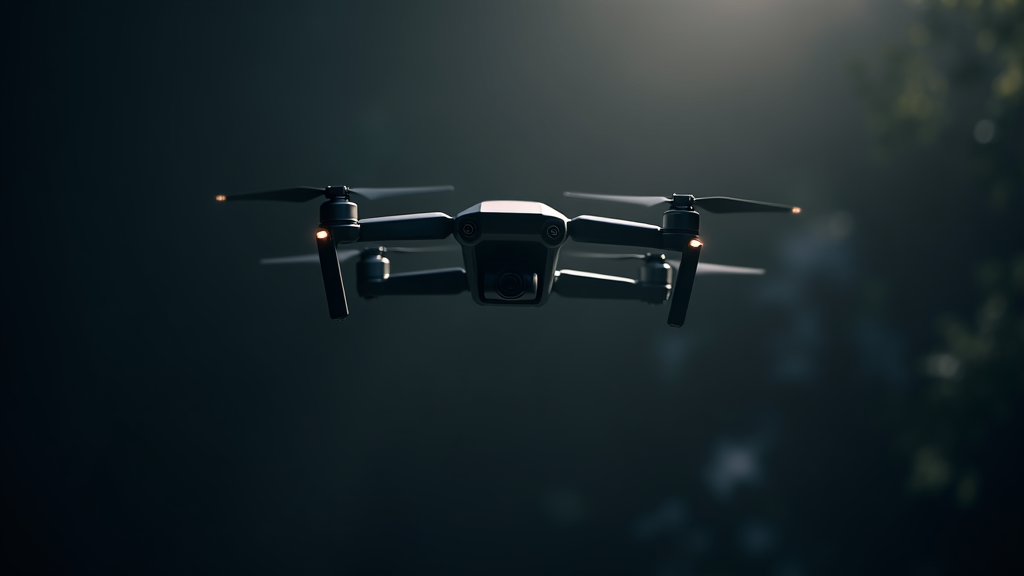
The DJI Air 3S takes a huge leap with its 1-inch CMOS sensor — a significant upgrade over the original Air 3. It shoots 6K video, handles low-light beautifully, and packs an impressive dual-camera system (wide + medium telephoto) into a foldable body that still fits in a small backpack. The combination of 46 minutes of flight time, omnidirectional obstacle sensing, and DJI’s latest O4 transmission makes this the most well-rounded drone at its price point.
Landscape videographers and adventure filmmakers will find the Air 3S hits every note — cinematic quality, reliable autonomy, and true portability.
Key specs: 1″ CMOS | 6K video | Dual camera system | 46 min flight | Omnidirectional sensing | O4 transmission
3. DJI Mavic 3 Pro — Best for Professional Aerial Photography
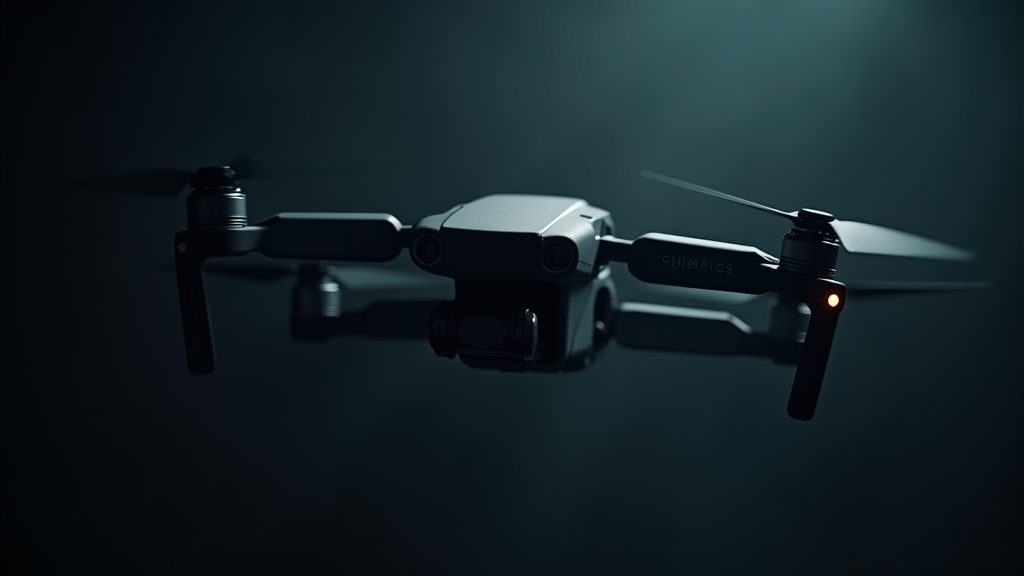
Three lenses. That’s what sets the DJI Mavic 3 Pro apart from the competition. It mounts a Hasselblad-tuned 4/3 CMOS main camera alongside a 1/1.3-inch medium tele and a 1/2-inch telephoto, giving you focal length versatility that no other consumer drone can match. The Hasselblad Natural Colour Solution (HNCS) delivers breathtaking colour accuracy, and 5.1K ProRes video ensures your footage holds up in demanding post-production workflows.
If you’re shooting commercial projects, real estate, or fine-art landscape work, the Mavic 3 Pro is the benchmark everything else is measured against.
Key specs: 4/3 Hasselblad CMOS | 5.1K ProRes | Triple lens system | 43 min flight | Apple ProRes support | APAS 5.0 obstacle avoidance
→ Check DJI Mavic 3 Pro on Amazon
4. DJI Avata 2 — Best FPV Drone for Cinematic Action
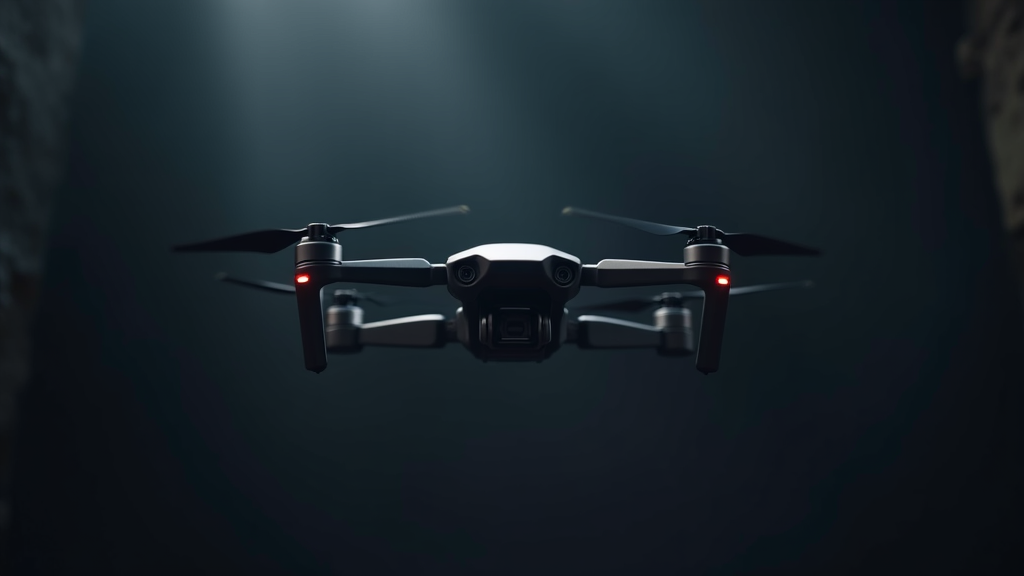
First-person view drones deliver footage that feels utterly unlike anything captured by a conventional aerial platform — visceral, immersive, and thrillingly kinetic. The DJI Avata 2 brings that experience to a much wider audience with its intuitive motion controller, enhanced stabilization, and crash-resistant design. Its 1/1.3-inch sensor shoots crisp 4K/60fps, while the built-in propeller guard lets beginners fly in tighter spaces without turning their drone into scrap metal.
For music videos, action sports, and any project demanding POV aerial energy, the Avata 2 is the go-to tool.
Key specs: 1/1.3″ CMOS | 4K/60fps | Built-in prop guards | 23 min flight | Motion controller compatible | RockSteady 3.0 stabilization
5. Autel Robotics EVO Lite+ — Best DJI Alternative
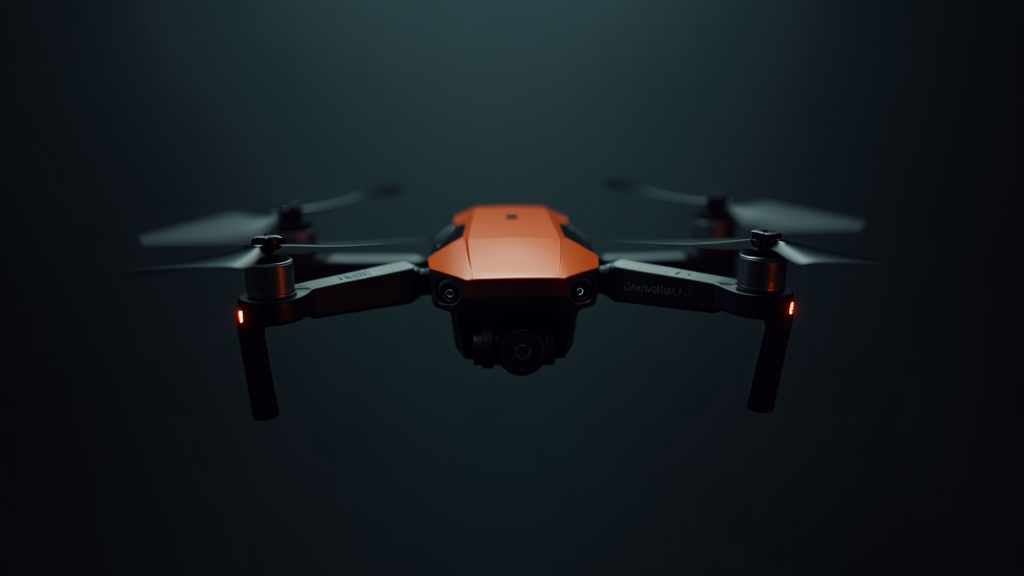
The Autel EVO Lite+ earns serious respect as one of the strongest DJI alternatives on the market. Its 1-inch CMOS sensor shoots 6K video with 20 stops of dynamic range — genuinely spectacular for landscape and low-light work. Variable aperture (f/2.8–f/11) gives you optical control over depth of field that most drones simply can’t offer, and 40 minutes of flight time is excellent for the price tier. Autel’s SkyLink transmission covers 12km and remains reliable in congested RF environments.
If you want to step off the DJI ecosystem without compromising image quality, the EVO Lite+ deserves a serious look.
Key specs: 1″ CMOS | 6K/30fps | Variable f/2.8-f/11 aperture | 40 min flight | 20 stops dynamic range | 12km transmission
→ Check Autel EVO Lite+ on Amazon
6. DJI Mini 3 — Best Budget Sub-250g Drone
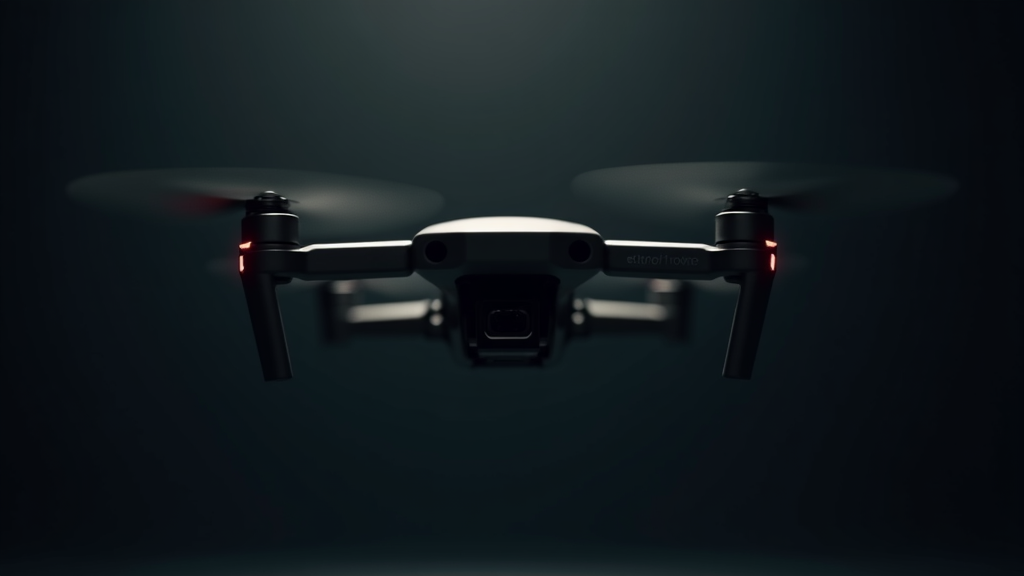
The entry-level DJI Mini 3 proves you don’t need to spend a fortune to get genuinely impressive aerial footage. It shoots 4K/30fps video and 12MP stills, weighs just 249g, and includes DJI’s signature QuickShots for automated cinematic moves straight out of the box. Battery life stretches to 38 minutes with the Intelligent Flight Battery Plus, which is outstanding for this class.
New pilots, casual travel photographers, and anyone wanting to test the aerial waters without a major investment will find the Mini 3 a capable and satisfying starting point.
Key specs: 1/1.3″ CMOS | 4K/30fps | 38 min flight (Plus battery) | QuickShots | True Vertical Shooting | Wind resistance Level 5
7. Potensic ATOM SE — Best Budget Beginner Drone
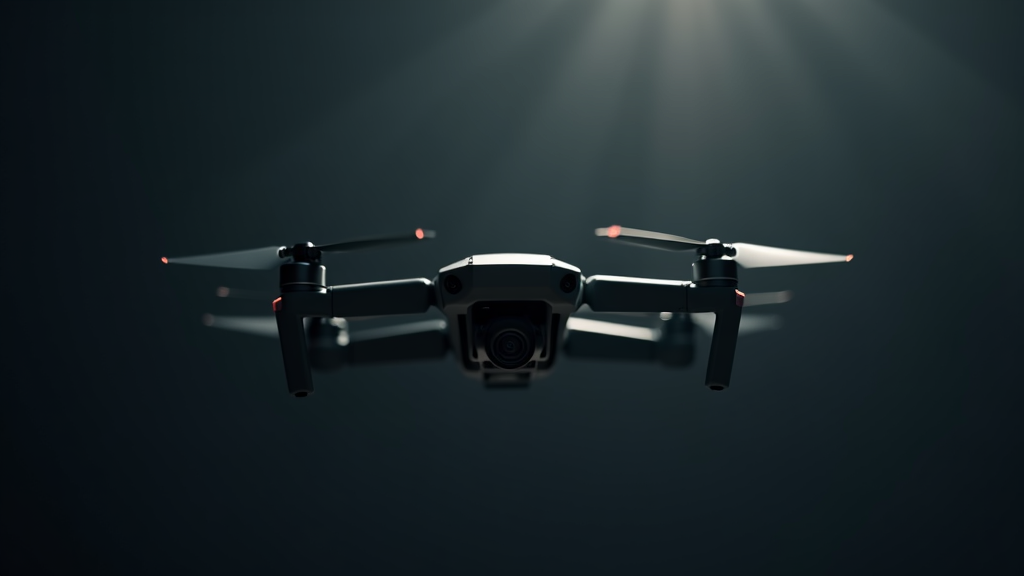
For photographers who want to experiment with aerial shots without committing hundreds of dollars, the Potensic ATOM SE offers a remarkably capable entry point. Sub-250g, GPS-equipped, and shooting 4K video with EIS stabilization, it punches well above its price class. The 3-axis gimbal is a standout feature at this price level, delivering noticeably smoother footage than budget drones relying solely on digital stabilization.
Think of it as a capable learning tool before upgrading — or an unintimidating spare for risky shots you wouldn’t attempt with your main rig.
Key specs: 3-axis mechanical gimbal | 4K EIS video | Sub-250g | GPS return-to-home | 31 min flight | 4km range
→ Check Potensic ATOM SE on Amazon
8. Holy Stone HS720E — Best Entry-Level Camera Drone
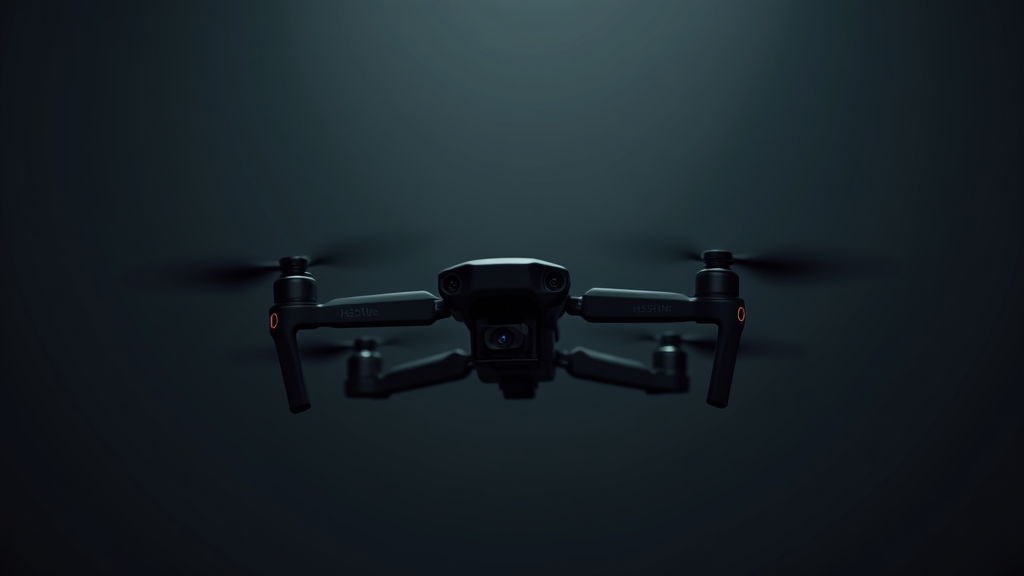
The Holy Stone HS720E is a crowd favourite for beginners stepping up from toy drones. It shoots 4K EIS-stabilized video, includes GPS intelligent return-to-home, and folds down small enough for a daypack. At well under $200, it gives new pilots everything they need to start building composition skills and understanding aerial dynamics before investing in a premium platform.
Key specs: 4K EIS camera | GPS auto-return | Foldable design | 23 min flight | Follow-Me mode | Waypoint flying
→ Check Holy Stone HS720E on Amazon
9. DJI Inspire 3 — Best Cinema-Grade Professional Drone
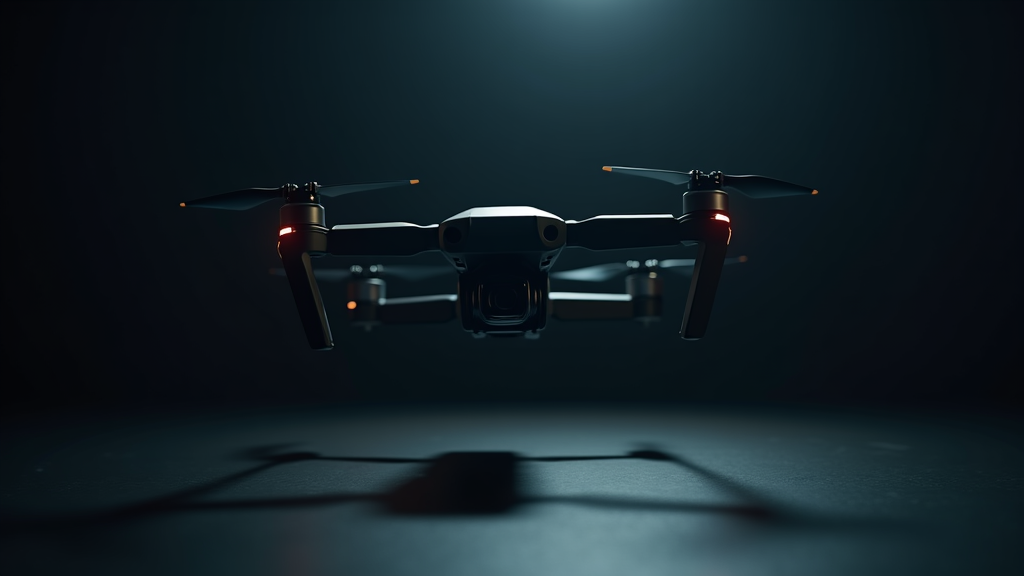
If budget is secondary and the mission demands absolute cinematic excellence, the DJI Inspire 3 operates in a class of its own. Its full-frame CMOS sensor paired with interchangeable DL-mount lenses produces images indistinguishable from ground-based cinema cameras. It shoots 8K RAW video, flies in dual-operator mode (one pilots, one operates the camera), and features centimetre-accurate RTK positioning for survey and precision work.
Film productions, broadcast networks, and high-end commercial shoots are where the Inspire 3 belongs — and where it consistently delivers extraordinary results.
Key specs: Full-frame CMOS | 8K CinemaDNG RAW | Interchangeable DL-mount lenses | Dual-operator mode | RTK positioning | Apple ProRes RAW HQ
→ Check DJI Inspire 3 on Amazon
10. Autel Robotics EVO Nano+ — Best Compact Alternative to DJI Mini
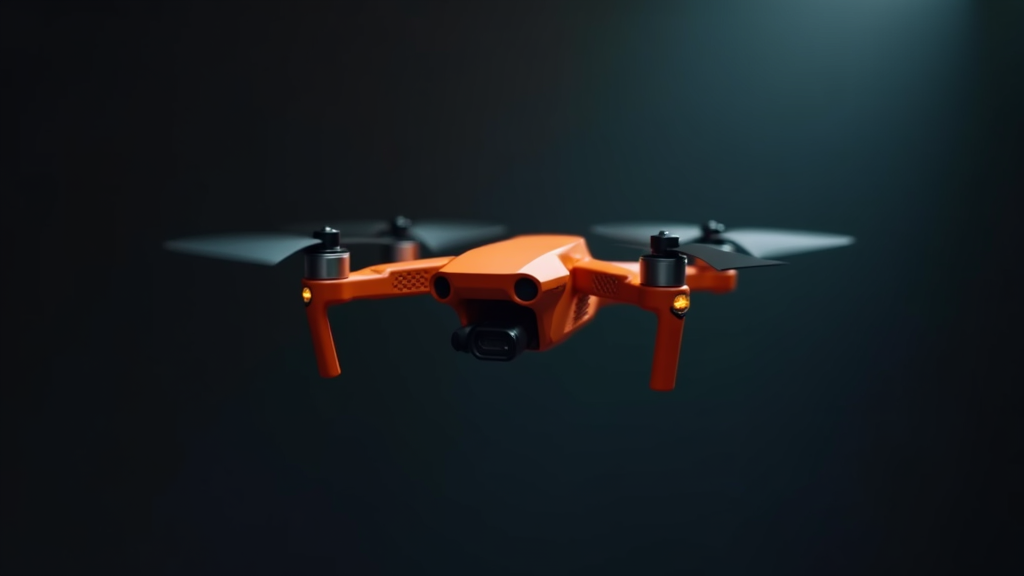
The Autel EVO Nano+ is a compelling sub-250g alternative to DJI’s Mini lineup. Its 1/1.28-inch CMOS sensor delivers 50MP stills and 4K/30fps video with RYYB colour filtering that captures more light than traditional Bayer sensors — particularly valuable for moody golden-hour and twilight photography. Autel’s commitment to raw file support is a bonus for photographers who want maximum editing latitude.
Those specifically seeking an alternative ecosystem that still delivers premium compact performance will appreciate the Nano+’s image quality credentials.
Key specs: 1/1.28″ RYYB CMOS | 50MP stills | 4K/30fps | Sub-250g | PDAF + CDAF autofocus | 28 min flight
→ Check Autel EVO Nano+ on Amazon
Quick Comparison: Which Drone is Right for You?
| Drone | Best For | Sensor | Max Video | Flight Time |
|---|---|---|---|---|
| DJI Mini 4 Pro | Travel & everyday use | 1/1.3″ | 4K/100fps | 34 min |
| DJI Air 3S | All-around versatility | 1″ | 6K/30fps | 46 min |
| DJI Mavic 3 Pro | Professional multi-focal | 4/3 Hasselblad | 5.1K ProRes | 43 min |
| DJI Avata 2 | FPV / action shots | 1/1.3″ | 4K/60fps | 23 min |
| Autel EVO Lite+ | DJI alternative | 1″ | 6K/30fps | 40 min |
| DJI Mini 3 | Budget sub-250g | 1/1.3″ | 4K/30fps | 38 min |
| Potensic ATOM SE | True beginners | 3-axis gimbal | 4K EIS | 31 min |
| Holy Stone HS720E | Entry-level learners | EIS | 4K EIS | 23 min |
| DJI Inspire 3 | Cinema productions | Full-frame | 8K RAW | 28 min |
| Autel EVO Nano+ | Compact DJI alternative | 1/1.28″ RYYB | 4K/30fps | 28 min |
Essential Drone Accessories Worth Adding
Even the best drone needs the right supporting gear. Here are a few accessories that make a real difference in the field:
- ND Filter Sets: Control exposure in bright conditions for silky-smooth video with the 180° shutter rule. Browse ND filter sets for drones →
- Extra Batteries: Always bring at least two additional batteries. Drone sessions can be cut agonizingly short without them. Browse drone batteries →
- Drone Carry Bags: Purpose-built hard-shell cases protect your investment during transport. Browse drone carry cases →
- Landing Pads: A portable landing pad protects your gimbal from dirt, grass, and gravel on takeoff and landing. Browse drone landing pads →
Drone Photography Tips for Cinematic Results
Owning a great drone is only half the equation. Here’s how to get cinematic, mood-rich aerial footage from your first flights:
- Shoot during golden hour and blue hour. The low angle of the sun creates dramatic long shadows, warm gradients, and the kind of atmospheric depth that mid-day flat light simply can’t produce.
- Move slowly and deliberately. Smooth, slow movements — gentle reveals, slow-push orbit shots — look far more cinematic than jerky, rushed manoeuvres.
- Apply the 180° shutter rule. Set your shutter speed to double your frame rate (e.g., 1/60s for 30fps). Use ND filters to achieve this in bright conditions.
- Use hyperlapse and timelapse modes. Most modern drones include these — they’re effortless and consistently impressive.
- Shoot in D-Log or flat colour profile. This preserves dynamic range for colour grading in post. The footage looks washed out on-screen but gives you far more editing latitude.
- Frame with foreground elements. Include trees, rock formations, or architecture in the foreground of wide shots to add depth and scale.
Frequently Asked Questions
Do I need to register my drone?
In the US, any drone over 250g flown outdoors must be registered with the FAA. Drones under 250g (like DJI Mini 3, Mini 4 Pro, and Autel EVO Nano+) are exempt from registration when flown recreationally, though commercial use has additional requirements. Always check local regulations before flying.
What’s the best drone for beginners in 2026?
The DJI Mini 3 is the best entry point for most beginners — it’s lightweight, capable, affordable, and benefits from DJI’s robust safety ecosystem. For the absolute lowest budget, the Holy Stone HS720E is a solid learning tool.
Is DJI still the best drone brand in 2026?
DJI remains the dominant force in consumer and prosumer drones, offering the most refined software ecosystem, best obstacle avoidance, and widest accessory support. Autel Robotics is the closest challenger and worth considering if you want a non-DJI option with comparable image quality.
Can I use a drone for professional videography?
Absolutely. Drones like the DJI Mavic 3 Pro and DJI Inspire 3 are used on professional film sets, broadcast productions, and commercial shoots worldwide. Even mid-range options like the Air 3S deliver footage that’s broadcast-ready in many contexts.
How do I get smooth cinematic drone footage?
Combine slow, deliberate movements with proper ND filter exposure control, shoot in a flat/Log colour profile, fly during golden or blue hour for natural drama, and apply gentle colour grading in post. The results will surprise you.
Our Pick: The Best Drone for Most Photographers
After weighing image quality, portability, flight performance, and value, the DJI Air 3S earns our top recommendation for most photographers and videographers. Its 1-inch sensor produces genuinely professional-grade imagery, the 46-minute flight time reduces battery anxiety, and the dual-camera system adds creative versatility that single-lens drones simply can’t match. It’s the drone that grows with your skills.
For those who need to stay under 250g — especially international travellers — the DJI Mini 4 Pro is the clear alternative. And if your budget is tight, the DJI Mini 3 will get you in the air with impressive results at a fraction of the cost.
Whatever you fly, keep the batteries charged, learn your local airspace rules, and chase the light. The best aerial shot you’ve ever taken is still out there waiting.
Disclosure: Lens & Lumens participates in the Amazon Associates Program. Links in this article are affiliate links, meaning we may earn a small commission at no additional cost to you. All recommendations are based on genuine research and editorial criteria.