
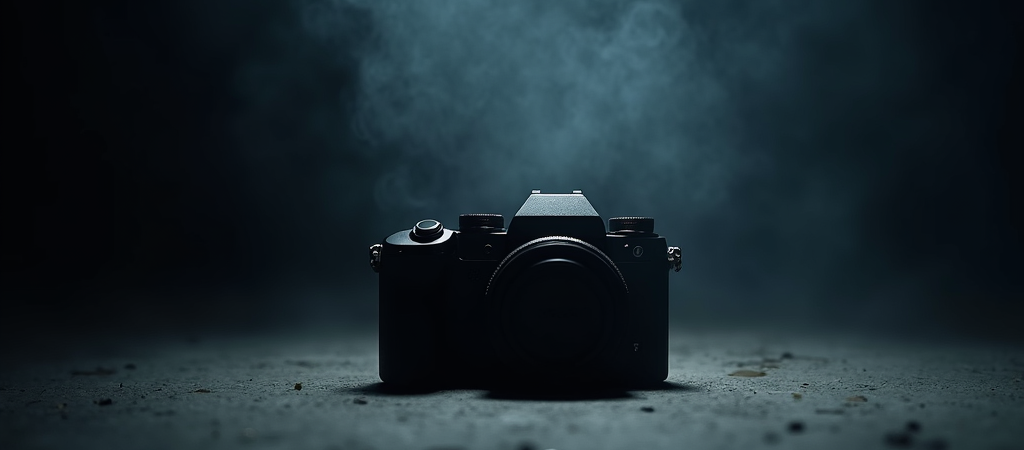
The mirrorless revolution is complete. DSLRs are a relic. In 2026, every major camera manufacturer has gone all-in on mirrorless systems — and the result is the most exciting, most capable, most competitive camera market in the history of photography. For you, that means better cameras at lower prices than ever before, and more confusion than ever about which one to actually buy.
We’ve cut through the noise. Below are the 10 best mirrorless cameras of 2026, selected across full-frame and APS-C systems, for photographers and videographers who demand both still and video excellence — and who want their footage to carry that dark, cinematic weight that separates serious work from snapshots.
What to Look for in a Mirrorless Camera in 2026
- Sensor size: Full-frame delivers the best dynamic range and low-light performance. APS-C offers a more compact, affordable system with excellent image quality for most use cases.
- Autofocus system: In 2026, subject detection (eye, face, animal, vehicle) is table stakes. Look for tracking consistency and low-light AF performance.
- Video capabilities: 4K 60fps is the baseline. Serious hybrid shooters should look for 6K, internal RAW recording, or Log profiles with broad latitude for color grading.
- Stabilization: In-Body Image Stabilization (IBIS) is a must for handheld video and low-light stills. Look for 5+ stops of compensation.
- Lens ecosystem: A mature lens system means more native options at better prices. Factor in total system cost, not just body price.
- Battery life: Mirrorless cameras are historically thirstier than DSLRs. 300+ shots per charge is reasonable; 500+ is excellent.
The 10 Best Mirrorless Cameras of 2026
1. Sony Alpha A7 IV — Best Overall Full-Frame Mirrorless
The Sony A7 IV remains the mirrorless benchmark that every competitor measures itself against in 2026. Its 33MP BSI-CMOS sensor is a masterpiece of engineering — resolving extraordinary detail in landscapes and portraits while maintaining the low-light character that made Sony’s full-frame line legendary. At base ISO, the files have a tonal richness that rewards large prints and deep post-production work. At ISO 12800, the images are still clean enough to publish.
Sony’s Real-time Eye AF and subject tracking are the fastest and most reliable in the industry — period. Lock onto a subject in near-darkness, run them through a crowd, change direction suddenly — the A7 IV keeps focus with an almost unsettling confidence. The 759-phase-detect AF point array covers 94% of the sensor, meaning your subject doesn’t have to live in the center of the frame to stay sharp.
For video, the A7 IV records 4K 60fps (oversampled from 7K), S-Log3 for maximum grading latitude, and supports 10-bit 4:2:2 internally. The footage, properly graded, has the dense, atmospheric quality that dark, cinematic content demands. The 5-axis IBIS provides 5.5 stops of compensation — enough to shoot handheld in conditions that would require a gimbal on lesser bodies.
Best for: Hybrid shooters, portrait photographers, travel and documentary work
Key specs: 33MP BSI-CMOS | 4K 60fps | 5.5-stop IBIS | 759 AF points | 10-bit internal
👉 Check Sony A7 IV Price on Amazon →
2. Fujifilm X-T5 — Best APS-C Camera for Photography
Fujifilm made a deliberate, provocative choice with the X-T5: they built a camera for photographers. No flip-out screen for vloggers. No oversized video modes. Just a compact, rangefinder-inspired body packed with a 40.2MP APS-C sensor that resolves more detail per dollar than anything else in this guide.
That sensor is extraordinary. At 40 megapixels from an APS-C chip, the X-T5 produces files with a clarity and tonal depth that rivals full-frame cameras costing twice as much. Combined with Fujifilm’s legendary Film Simulations — Velvia for saturated landscapes, Eterna Cinema for dark, filmic video, Classic Neg for that shadow-heavy editorial look — the X-T5 produces images straight from camera that look like they were made with intent.
The physical controls are the best in the mirrorless market: dedicated ISO dial, shutter speed dial, and exposure compensation dial, all knurled metal with positive detents. Shooting the X-T5 feels like operating a precision instrument, not navigating menus. For photographers who want to slow down, engage with their settings, and develop an intentional relationship with their gear, nothing else compares.
Best for: Landscape and portrait photographers, street and travel photography, anyone prioritizing image quality and tactile control
Key specs: 40.2MP APS-C BSI-CMOS | 6.2K 30fps video | 7-stop IBIS | Film Simulations | Compact body
👉 Check Fujifilm X-T5 Price on Amazon →
3. Canon EOS R6 Mark II — Best for Sports and Action Photography
Canon rewrote the rules of affordable autofocus with the EOS R6 Mark II. Its Dual Pixel CMOS AF II system tracks humans, animals, vehicles, and aircraft with a tenacity that feels less like technology and more like a sixth sense. Athletes mid-sprint, birds in flight, cars cornering at speed — the R6 II stays locked with a consistency that professional sports photographers trusted to get the decisive moment, reliably, every time.
The 40fps electronic shutter (with no rolling shutter distortion) means you’re firing at twice the rate of most competitors. The 40MP sensor produces files with exceptional color depth — Canon’s color science has always been warm, natural, and flattering, and the R6 II is no exception. The images have a dimensional quality, especially in skin tones and shadow detail, that makes portraits feel lit even when they’re not.
For video, the R6 Mark II shoots 4K 60fps with Canon Log 3, and the dual-pixel AF makes focus transitions in video so smooth they look pulled. The RF lens ecosystem is the most optically advanced in the market — every RF lens is a masterclass in what large-diameter mounts make possible.
Best for: Sports, wildlife, and event photographers; hybrid shooters who prioritize autofocus reliability
Key specs: 40MP full-frame CMOS | 40fps burst | 4K 60fps | Dual Pixel CMOS AF II | 8-stop IBIS
👉 Check Canon EOS R6 Mark II Price on Amazon →
4. Nikon Z6 III — Best Hybrid Photo/Video Mirrorless
Nikon’s Z6 III is the company’s most radical camera in decades, and it makes a statement: Nikon can innovate as aggressively as anyone. The partially stacked CMOS sensor is the headline — it reads data at twice the speed of a conventional BSI sensor, eliminating rolling shutter in 4K 120fps video and enabling a blackout-free 20fps burst that feels instantaneous. This is the camera for photographers who shoot both stills and video at a high level and refuse to accept compromise in either direction.
The 24.5MP sensor is calibrated for dynamic range rather than pixel count, and the results in challenging mixed lighting are exceptional. The Log footage — graded in DaVinci Resolve with the right LUT — has the cinematic depth and tonal complexity that makes dark, atmospheric video work look like it was shot on a cinema camera. The 6-axis IBIS system provides 8 stops of stabilization in-body, and when combined with lens optical stabilization on Nikkor lenses, the combination is extraordinary for handheld work.
Best for: Hybrid shooters, commercial videographers, photographers who need both disciplines at a professional level
Key specs: 24.5MP partially stacked CMOS | 4K 120fps | 20fps burst | 8-stop IBIS | Internal RAW video
👉 Check Nikon Z6 III Price on Amazon →
5. Sony ZV-E10 II — Best Budget APS-C for Vlogging and Video
Sony built the ZV-E10 II with one mission: give content creators and vloggers the best possible video tool at the most accessible price point. The 26MP APS-C sensor oversamples for 4K, producing footage with exceptional sharpness and the wide dynamic range needed for grading. The fully articulating touchscreen flips completely forward for self-shooting — a necessity for solo creators that Sony has now executed with genuine polish.
The real upgrade over the original ZV-E10 is autofocus. Real-time Eye AF has been brought forward from Sony’s flagship line, and it’s transformative. Tracking yourself while talking to camera — moving, gesturing, stepping in and out of frame — the ZV-E10 II keeps your eyes locked without intervention. For solo creators who can’t have someone operating camera, that reliability is the difference between usable takes and wasted time.
The E-mount lens ecosystem is the deepest and most mature APS-C system available, from Sony’s own compact primes to third-party options from Sigma and Tamron. Starting kit is affordable; scaling up is straightforward.
Best for: Solo content creators, vloggers, beginners upgrading from phone cameras
Key specs: 26MP APS-C | 4K 30fps oversampled | Real-time Eye AF | Articulating screen | E-mount ecosystem
👉 Check Sony ZV-E10 II Price on Amazon →
6. Fujifilm X-S20 — Best APS-C for Hybrid Shooting
The Fujifilm X-S20 fills the gap between the photography-first X-T5 and the video-oriented X-H2S with a compact, grip-forward body that excels at both without demanding you choose. The 26.1MP X-Trans CMOS 5 HR sensor combined with the X-Processor 5 delivers Fujifilm’s Film Simulations with the fastest processing yet — in-camera JPEGs from the X-S20 are so refined that many photographers deliver them directly without post-processing.
For video, the X-S20 offers 6.2K open-gate recording — the widest aspect ratio capture available in the APS-C category — plus Cinema 4K 30fps and the ability to record F-Log2 for a whopping 13+ stops of dynamic range. The footage has Fujifilm’s characteristic tonal character even in its flat profiles, meaning the graded output carries an organic quality that sensor-neutral flat profiles from other brands sometimes lack.
The articulating touchscreen, the extended battery life (740 shots per charge — exceptional for mirrorless), and the ability to charge via USB-C while shooting make the X-S20 the most practical Fujifilm body for all-day content creation.
Best for: Hybrid content creators, travel photographers, Fujifilm system builders wanting video capability
Key specs: 26.1MP X-Trans CMOS 5 HR | 6.2K open gate video | F-Log2 (13+ stops) | 5-stop IBIS | 740-shot battery life
👉 Check Fujifilm X-S20 Price on Amazon →
7. Sony Alpha A7C II — Best Compact Full-Frame
The Sony A7C II answers a question the original A7C raised but didn’t fully resolve: can you have serious full-frame performance in a body small enough to carry everywhere? The Mark II emphatically says yes. The same 33MP BSI-CMOS sensor as the A7 IV lives in a chassis barely larger than a compact camera, with a front grip and body proportions that feel balanced with Sony’s compact G and Zeiss prime lenses.
The AI-based subject recognition autofocus introduced in the A7 IV (and above) is present in full — including insect and train subject detection modes that feel futuristic until you actually need them. The IBIS system provides 7 stops of compensation, which in a body this compact is genuinely extraordinary. Handheld video shot with the A7C II has a floating quality that rivals gimbal-assisted footage from larger cameras.
For photographers who live in cities, travel constantly, or want a full-frame system that doesn’t announce itself, the A7C II is the camera that disappears into a day bag without compromising a pixel of image quality.
Best for: Travel photographers, street shooters, discreet documentary work
Key specs: 33MP BSI-CMOS | 4K 60fps | 7-stop IBIS | Compact chassis | AI subject detection AF
👉 Check Sony A7C II Price on Amazon →
8. Nikon Zf — Best Retro-Style Full-Frame Mirrorless
The Nikon Zf is the camera that proves aesthetics and performance are not mutually exclusive. Wrapped in a retro-inspired metal body with top-plate dials for ISO, shutter speed, and exposure compensation, the Zf is visually striking in a way that most modern cameras — all black rectangles with unmarked buttons — simply aren’t. People notice the Zf. They ask about it. In street and documentary photography, that human connection the camera creates between you and your subjects is worth something intangible.
Beneath the heritage styling is thoroughly modern technology: a 24.5MP BSI-CMOS sensor, the same as the Z6 III, delivering exceptional dynamic range and low-light performance. The 8-stop IBIS system is the most powerful stabilization in a Nikon body outside the pro tier. Video capabilities include 4K 30fps (or 60fps with a slight crop) and N-Log for cinematic color grading latitude. The portrait rendering — especially in candid, available-light situations — has a film-like quality that suits the camera’s visual identity perfectly.
Best for: Street photographers, portrait artists, anyone who wants a camera that’s as beautiful as the images it produces
Key specs: 24.5MP BSI-CMOS | 4K 30fps | 8-stop IBIS | Classic metal body | Z-mount full ecosystem access
👉 Check Nikon Zf Price on Amazon →
9. OM System OM-5 — Best for Outdoor and Adventure Photography
The OM System OM-5 is built for conditions that would destroy most mirrorless cameras. Dust-proof, splash-proof, and freeze-proof to -10°C, it’s the camera that goes where you go — through rain, fog, dust storms, and mountain winters — without flinching. Its Micro Four Thirds sensor is smaller than APS-C or full-frame, which is why the body can be this compact and this weather-sealed without engineering miracles.
The 7.5-stop IBIS system — best-in-class across all categories — means the OM-5 produces sharp handheld images in conditions where every other camera would require a tripod. For landscape photographers shooting in dawn mist, wildlife photographers waiting in rain, or travel photographers who can’t afford to stop when the weather turns, that stabilization plus weather sealing combination is irreplaceable.
The Computational Photography features — Live ND, Handheld High-Res Shot (producing 50MP files from 16MP sensor), and Live Composite for light trail photography — put creative capabilities in the OM-5 that larger-sensor cameras simply don’t offer.
Best for: Adventure, landscape, and wildlife photographers; anyone who shoots in harsh conditions
Key specs: 20.4MP MFT sensor | 7.5-stop IBIS | IP53 weather/dust/freeze proof | Live ND filter | Handheld High-Res (50MP)
👉 Check OM System OM-5 Price on Amazon →
10. Canon EOS R50 — Best Budget Entry into Mirrorless
The Canon EOS R50 is the entry point into the RF ecosystem, and Canon has made it genuinely compelling. At a fraction of the cost of a full-frame body, the R50 delivers a 24.2MP APS-C sensor, Dual Pixel CMOS AF II, and 4K video in a compact, approachable body that doesn’t overwhelm newcomers with complexity. The autofocus system is the same AI-based subject tracking as Canon’s professional lineup — a gift to beginners who would otherwise spend months learning to nail focus manually.
For photographers stepping up from a smartphone or beginner DSLR, the image quality jump is dramatic. The dynamic range, the low-light performance, the ability to use interchangeable lenses — these are the revelations that make photographers fall in love with serious cameras. The R50 delivers all of them at a price that makes the commitment manageable, with a clear upgrade path through the Canon RF ecosystem when you’re ready to invest further.
Best for: Beginners, students, photographers transitioning from smartphones or basic DSLRs
Key specs: 24.2MP APS-C CMOS | 4K 30fps | Dual Pixel CMOS AF II | Compact lightweight body | RF-S lens compatible
👉 Check Canon EOS R50 Price on Amazon →
Mirrorless Camera Comparison: Quick Reference
| Camera | Sensor | Best For | Key Feature |
|---|---|---|---|
| Sony A7 IV | 33MP Full-Frame | Best Overall | Balanced hybrid excellence |
| Fujifilm X-T5 | 40MP APS-C | Photography-first | Tactile dials + resolution |
| Canon R6 Mark II | 40MP Full-Frame | Sports / Action AF | 40fps + Dual Pixel AF |
| Nikon Z6 III | 24.5MP Stacked | Hybrid video | 4K 120fps + RAW video |
| Sony ZV-E10 II | 26MP APS-C | Vlogging / Budget | Articulating screen + Eye AF |
| Fujifilm X-S20 | 26MP APS-C | APS-C hybrid | 6.2K open gate + battery life |
| Sony A7C II | 33MP Full-Frame | Compact travel | Full-frame in small body |
| Nikon Zf | 24.5MP Full-Frame | Retro style + street | Design + 8-stop IBIS |
| OM System OM-5 | 20MP MFT | Outdoor adventure | Weather-proof + 7.5-stop IBIS |
| Canon EOS R50 | 24MP APS-C | Budget entry | Dual Pixel AF at low price |
Full-Frame vs APS-C: Which Should You Choose?
The question used to be straightforward: full-frame for professionals, APS-C for everyone else. In 2026, it’s more nuanced. Full-frame sensors deliver genuinely superior dynamic range, low-light performance, and background separation — advantages that matter in difficult lighting and when printing large. But the best APS-C cameras (especially Fujifilm’s 40MP X-T5) close that gap further every year.
Choose full-frame if you shoot in challenging light regularly, if large-format printing matters, if you’re doing commercial portrait or editorial work, or if you want the absolute ceiling of image quality. Choose APS-C if portability matters (the smaller sensor means smaller lenses), if your shooting happens in controlled or good light, or if you’re building a first serious system and want to maximize image quality per dollar spent.
The Best Lens Ecosystems in 2026
The camera body is only half the equation. Here’s where each system stands:
- Sony E-mount: The most mature ecosystem — hundreds of native lenses from Sony, Sigma, Tamron, and others. The widest price range from budget to L-series equivalent. Best for photographers who want maximum choice.
- Canon RF: The most optically advanced mount — Canon RF lenses consistently set new performance benchmarks. The lineup is growing rapidly and includes the most capable lens IS systems available.
- Nikon Z: Mature enough to cover most shooting needs. The Nikkor Z prime line is exceptional, and the large-diameter mount enables optical designs impossible in smaller mounts.
- Fujifilm X-mount: Purpose-built for APS-C with a compact, high-quality lineup. Fujifilm’s own primes and zooms are exceptional; third-party support from Sigma adds affordable alternatives.
- Micro Four Thirds (OM System): The smallest, lightest system available with the deepest catalog of compact telephoto options — invaluable for wildlife and travel.
Tips for Getting the Most from Your Mirrorless Camera
- Shoot in RAW — Every camera on this list produces JPEG files that can look spectacular straight out of camera. But RAW files preserve shadow detail and highlight recovery that JPEG discards permanently. For cinematic dark-toned editing, RAW is non-negotiable.
- Learn your Log profile — S-Log3, N-Log, F-Log, C-Log — these flat, washed-out-looking video profiles preserve far more tonal information than standard picture profiles. Properly graded, Log footage becomes the dense, atmospheric imagery that makes cinematic video look expensive.
- Use a prime lens first — Mount a 35mm or 50mm prime and force yourself to compose with your feet. The discipline builds compositional instincts that zoom shooters never develop, and the wide apertures open up low-light possibilities your kit zoom simply can’t match.
- Exploit your IBIS — Modern stabilization systems are extraordinary. Turn off your tripod reflex and learn to shoot handheld at 1/15s, 1/8s. The images you capture in available light without a tripod will surprise you.
- Shoot during the transitions — Golden hour and blue hour are not clichés. The quality of light during those 20-minute windows genuinely transforms images in ways that no amount of post-processing can replicate. Know your location, arrive early, and be ready when the light turns.
Frequently Asked Questions
What is the best mirrorless camera for beginners in 2026?
The Canon EOS R50 is the best beginner mirrorless camera — it delivers Canon’s professional-grade Dual Pixel CMOS AF II in an approachable, affordable body with a clear upgrade path. For beginners who know they’ll prioritize video, the Sony ZV-E10 II is an equally compelling option with an articulating screen built for self-shooting.
Is a mirrorless camera worth it over a DSLR in 2026?
Unequivocally yes. The combination of faster autofocus (especially in video), electronic viewfinders that show you exposure in real time, superior video capabilities, and more compact bodies make mirrorless objectively better for virtually every shooting scenario. DSLRs are cheaper secondhand, but their lens ecosystems are winding down and manufacturers have stopped innovation entirely.
What is the best mirrorless camera for video in 2026?
The Nikon Z6 III offers the most complete video feature set with 4K 120fps, internal RAW video, and near-zero rolling shutter thanks to its partially stacked sensor. For videographers who prioritize color science and organic film character, the Fujifilm X-H2S (step up from X-S20) with its Film Simulations and F-Log2 is a compelling alternative.
Which mirrorless system has the best lenses?
Sony E-mount has the most options across the widest price range. Canon RF has the most optically advanced native lenses. Nikon Z has some of the sharpest primes available. Fujifilm X-mount has the best system coherence — every Fujifilm lens feels designed for Fujifilm cameras in a way cross-brand systems sometimes don’t achieve.
Final Verdict: Which Mirrorless Camera Should You Buy?
- Best overall: Sony Alpha A7 IV — the benchmark that all others are measured against in 2026
- Best for photography: Fujifilm X-T5 — 40MP, tactile controls, the purest photographer’s tool available
- Best for action/sports: Canon EOS R6 Mark II — 40fps and the most reliable AF tracking in the market
- Best for video: Nikon Z6 III — 4K 120fps and internal RAW on a partially stacked sensor
- Best for travel: Sony A7C II — full-frame image quality in the smallest possible body
- Best budget pick: Canon EOS R50 — professional AF and image quality without the professional price tag
The best mirrorless camera is the one that fits how you shoot — your subjects, your light, your budget, and your ambitions. Every camera on this list will produce images that would have been called professional-grade five years ago. The question now isn’t whether your camera can do the job. It’s whether you’ve given it the light, the lens, and the intent to do it well.
Choose your system carefully, invest in glass, and go find the dark corners where the best images are always waiting.
Lens & Lumens is reader-supported. When you buy through links on our site, we may earn an affiliate commission at no extra cost to you. All recommendations are based on genuine research and editorial criteria.