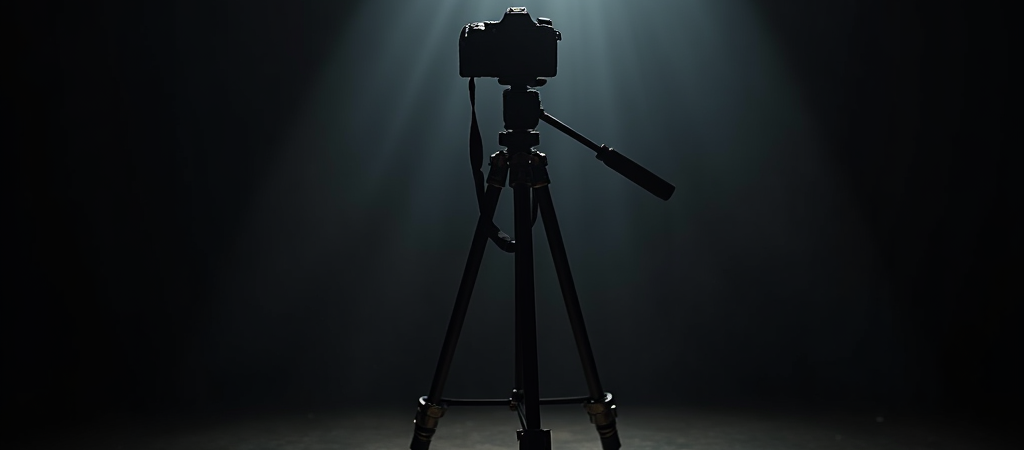
Every sharp image, every smooth cinematic pan, every long-exposure masterpiece has one thing in common — a stable foundation. Whether you’re chasing golden hour on a mountain ridge or building a moody studio setup in the dark, the right tripod isn’t optional. It’s the difference between a blurred disappointment and a shot that stops the scroll.
In 2026, tripod technology has evolved dramatically. Carbon fiber has become more affordable, fluid heads have trickled down to mid-range price points, and compact travel designs no longer sacrifice rigidity. This guide cuts through the noise and delivers the best tripods for photography and videography in 2026 — from budget-friendly workhorses to premium professional rigs.
Why Your Tripod Matters More Than You Think
Photographers obsess over cameras and lenses — and rightfully so — but a cheap, wobbly tripod will sabotage even a $3,000 lens. Tripods directly affect:
- Sharpness — Any vibration during long exposures or telephoto shots destroys image quality
- Consistency — Precise framing for product shots, timelapses, and bracketed HDR
- Video stability — Fluid heads enable smooth pans that make your footage look professional
- Shooting freedom — Low-angle shots, overhead angles, and awkward terrain all demand a reliable support system
The right tripod is a one-time investment that outlasts multiple camera bodies. Choose wisely.
What to Look for in a Photography/Videography Tripod
Before diving into recommendations, here’s what separates a good tripod from a great one:
- Material — Aluminum is affordable and durable; carbon fiber is lighter and absorbs vibration better
- Load capacity — Always pick a tripod rated for at least 1.5x your heaviest camera+lens combo
- Maximum height — Ensure it reaches your eye level without extending the center column (which reduces stability)
- Leg lock type — Flip locks are faster; twist locks are more secure in sandy/dirty conditions
- Head type — Ball heads are faster and more versatile for photography; fluid heads are essential for smooth video pans
- Minimum height — Critical for low-angle and macro work
- Folded length & weight — Key for travel photographers and hikers
The 9 Best Tripods for Photographers and Videographers in 2026
1. Manfrotto MT190XPRO4 Aluminum Tripod — Best All-Around for Photographers
The Manfrotto MT190XPRO4 has earned its legendary status for a reason. This four-section aluminum tripod features Manfrotto’s signature 90° center column mechanism, which lets you pivot the column horizontally for overhead macro shots and product photography without any awkward repositioning. The Q90 column can rotate from vertical to horizontal in seconds — it’s a game-changer for studio and product shooters.
Load capacity sits at a confidence-inspiring 15.4 lbs (7 kg), and the Easy Link connector adds room for accessories like LED lights or monitors. The aluminum construction is heavier than carbon fiber but delivers rock-solid stability at a fraction of the cost. At around 5.5 lbs, it’s not a backpacking tripod, but for studio work, landscape photography, and portraits, it’s one of the most versatile platforms available.
Best for: Studio photographers, product photographers, landscape shooters
Max Load: 15.4 lbs | Max Height: 66.9 in | Weight: 5.5 lbs
👉 Check Manfrotto MT190XPRO4 on Amazon
2. Peak Design Travel Tripod Carbon — Best Premium Travel Tripod
The Peak Design Travel Tripod is one of the most innovative tripod designs of the decade. When folded, it collapses to just 15.4 inches — short enough to strap to the outside of a daypack without snagging. The carbon fiber legs fold up and around the ball head, creating a uniquely compact package that fits into carry-on luggage with ease.
Despite its compact form, this tripod extends to a respectable 60 inches and handles up to 20 lbs. The integrated Arca-Swiss compatible ball head is buttery-smooth, and the design eliminates the need for a separate head purchase. It’s expensive — this is a premium product — but for travel photographers who demand the best, it’s worth every penny. The carbon fiber build absorbs vibration beautifully for long-exposure work in the field.
Best for: Travel photographers, adventure shooters, minimalist professionals
Max Load: 20 lbs | Max Height: 60 in | Weight: 2.8 lbs
👉 Check Peak Design Travel Tripod on Amazon
3. Magnus VT-4000 Fluid Head Video Tripod — Best Budget Video Tripod
If you shoot video and your budget is tight, the Magnus VT-4000 is the tripod that punches far above its price class. The fluid head with two-stage drag control delivers surprisingly smooth pan-and-tilt movements — critical for interview setups, event videography, and b-roll capture. At under $150, it’s one of the best values in video support.
The spreader system keeps the legs locked and stable during operation, and the quick-release plate is compatible with standard video heads. Max load is 8.8 lbs, which handles most mirrorless and DSLR camera setups with a standard zoom lens. It won’t handle a cinema camera rig, but for YouTube creators, wedding videographers getting started, and content creators, this is an excellent entry point into proper fluid-head video work.
Best for: YouTube creators, event videographers, vloggers upgrading from basic tripods
Max Load: 8.8 lbs | Max Height: 64 in | Weight: 6.6 lbs
👉 Check Magnus VT-4000 on Amazon
4. Gitzo GT1545T Series 1 Traveler Carbon Fiber — Best Ultra-Lightweight Premium
Gitzo has been building world-class tripods since 1917, and the GT1545T is the crown jewel of their Traveler line. Weighing just 2.42 lbs while supporting up to 17.6 lbs, the weight-to-strength ratio here is extraordinary. The carbon fiber construction not only keeps the weight down but also delivers exceptional vibration dampening — important for telephoto landscape work and long exposures.
The twist leg locks are smooth and reliable, the anti-rotation system prevents leg tubes from spinning during adjustment, and the center column detaches entirely for low-angle shooting. It’s a top-tier investment that serious photographers use for decades. The GT1545T is the tripod that working professional travel photographers trust when every gram counts and every shot has to be sharp.
Best for: Professional travel and landscape photographers, mountain and backcountry shooters
Max Load: 17.6 lbs | Max Height: 53.9 in | Weight: 2.42 lbs
👉 Check Gitzo GT1545T on Amazon
5. Joby GorillaPod 3K Pro — Best Flexible Mini Tripod
The Joby GorillaPod 3K Pro is in a category of its own. With flexible, wrappable legs made from individual ball-and-socket segments, this tripod can grip onto railings, tree branches, rocks, and uneven surfaces that would leave a traditional tripod useless. It’s the ultimate guerrilla filmmaking and street photography tool.
The 3K version handles up to 6.6 lbs — enough for most mirrorless cameras with a kit lens. The included ball head has an Arca-Swiss compatible quick-release plate and a bubble level for precise leveling. Vloggers love it for its ability to create unique low angles and wrapped-around-object shots. It’s also exceptional for macro photography on uneven terrain where a traditional tripod simply can’t get close enough to the ground.
Best for: Street photographers, vloggers, macro shooters, travel minimalists
Max Load: 6.6 lbs | Weight: 0.55 lbs
👉 Check Joby GorillaPod 3K Pro on Amazon
6. Vanguard Alta Pro 2+ 263AB100 — Best for Low-Angle and Multi-Angle Shooting
The Vanguard Alta Pro 2+ stands out with its Multi-Angle Central Column (MACC) system, which allows the center column to be angled from 0° to 80° — far more flexible than the standard 90° pivot found on most competitors. Pair this with legs that spread to three different angles (25°, 50°, 80°), and you have one of the most adaptable tripod platforms available.
The included SBH-100 ball head is smooth and precise, with a max load rating of 15.4 lbs. Photographers who shoot in challenging environments — rocky terrain, forest floors, architectural interiors — will appreciate the ability to position the camera precisely at any angle without fighting the tripod. The aluminum construction is solid and durable, and the rubber feet can be swapped for spiked tips for outdoor terrain.
Best for: Nature photographers, architectural shooters, creative angle-seekers
Max Load: 15.4 lbs | Max Height: 70.8 in | Weight: 5.3 lbs
👉 Check Vanguard Alta Pro 2+ on Amazon
7. Benro Mach3 TMA37C Carbon Fiber — Best Mid-Range Carbon Fiber
Benro’s Mach3 series hits the sweet spot between Gitzo’s premium pricing and budget carbon fiber alternatives. The TMA37C uses carbon fiber twist-lock leg tubes with a solid anti-rotation mechanism, delivering a noticeably quieter and more vibration-resistant platform than aluminum at a price that won’t require a second mortgage.
The inverted folding design lets the legs fold back over the head for an extremely compact travel profile. It supports up to 17.6 lbs, making it suitable for even heavier telephoto lens setups. The magnesium alloy castings at the leg joints add durability without excessive weight. For photographers who want genuine carbon fiber performance without paying Gitzo prices, the Benro Mach3 delivers exceptional value and real-world reliability.
Best for: Serious enthusiast and semi-pro photographers wanting carbon fiber value
Max Load: 17.6 lbs | Max Height: 65.5 in | Weight: 3.2 lbs
👉 Check Benro Mach3 Carbon Fiber on Amazon
8. K&F Concept 72-Inch Carbon Fiber Tripod — Best Budget Carbon Fiber
K&F Concept has rapidly earned a reputation for delivering solid photographic gear at disruptive price points, and their carbon fiber tripod lineup is no exception. The 72-inch model features a 10-layer carbon fiber construction that provides genuine vibration dampening at a price point previously only possible with aluminum.
The included ball head has an Arca-Swiss compatible quick-release plate, 360° rotation, and a bubble level. Twist locks on the legs are smooth and quick, and the tripod folds down to just 17.7 inches for pack-friendly transport. For photographers stepping up from a $30 plastic tripod who want to experience real carbon fiber performance, this is one of the most compelling entry points on the market in 2026.
Best for: Enthusiast photographers, first carbon fiber purchase, everyday landscape shooters
Max Load: 26.5 lbs | Max Height: 72 in | Weight: 3.5 lbs
👉 Check K&F Concept Carbon Fiber Tripod on Amazon
9. Neewer Carbon Fiber Tripod Monopod Combo — Best for Sports and Wildlife Photography
Sports and wildlife photographers have unique needs: they need to move fast, support heavy telephoto lenses, and switch between stationary and tracking shots. The Neewer Carbon Fiber Tripod Monopod Combo addresses all of this with a versatile convertible design that allows one leg to detach as a full monopod.
The fluid ball head provides controlled movement for tracking subjects, and the monopod mode is ideal for sideline sports shooters who need to move laterally along a field. At under $120, this is remarkable value for carbon fiber with this level of flexibility. The leg locks are reliable, the rubber feet perform well across surfaces, and the overall build quality exceeds what the price tag suggests. For photographers who can’t afford a separate tripod and monopod but need both, this hybrid solution is genuinely impressive.
Best for: Sports photographers, wildlife shooters, event photographers needing mobility
Max Load: 26.5 lbs | Max Height: 66 in | Weight: 3.7 lbs
👉 Check Neewer Carbon Fiber Tripod Monopod on Amazon
Tripod Comparison: Quick Reference Guide
| Tripod | Best For | Material | Max Load | Weight | Price Range |
|---|---|---|---|---|---|
| Manfrotto MT190XPRO4 | Studio/Landscape | Aluminum | 15.4 lbs | 5.5 lbs | $$ |
| Peak Design Travel Carbon | Travel Pro | Carbon Fiber | 20 lbs | 2.8 lbs | $$$$ |
| Magnus VT-4000 | Budget Video | Aluminum | 8.8 lbs | 6.6 lbs | $ |
| Gitzo GT1545T | Ultra-Light Pro | Carbon Fiber | 17.6 lbs | 2.42 lbs | $$$$ |
| Joby GorillaPod 3K Pro | Flexible/Travel | Polymer | 6.6 lbs | 0.55 lbs | $$ |
| Vanguard Alta Pro 2+ | Multi-Angle | Aluminum | 15.4 lbs | 5.3 lbs | $$ |
| Benro Mach3 TMA37C | Mid-Range CF | Carbon Fiber | 17.6 lbs | 3.2 lbs | $$$ |
| K&F Concept Carbon Fiber | Budget CF | Carbon Fiber | 26.5 lbs | 3.5 lbs | $$ |
| Neewer CF Tripod/Monopod | Sports/Wildlife | Carbon Fiber | 26.5 lbs | 3.7 lbs | $ |
Ball Head vs. Fluid Head: Which Do You Need?
The head is as important as the legs. Here’s a quick breakdown:
Ball Heads
Ball heads use a single spherical joint that allows quick repositioning in any direction. They’re compact, lightweight, and fast — perfect for photographers who need to reframe quickly. Most still photographers prefer ball heads for their versatility and speed. Look for a head with at least a 15 lb load capacity, an independent pan lock, and an Arca-Swiss compatible quick-release system.
Fluid Heads
Fluid heads use viscous damping to create resistance-controlled panning and tilting. That resistance is what gives video footage its professional, cinema-quality smoothness. If you shoot any video — YouTube content, weddings, short films, interviews — a fluid head is non-negotiable. Jerky pan movements scream “amateur” in a way that no amount of color grading can fix.
Carbon Fiber vs. Aluminum: The Real Difference
The carbon fiber vs. aluminum debate comes down to three factors:
- Weight — Carbon fiber is typically 30-40% lighter for the same rigidity. Over a long day of hiking with a full kit, this matters enormously.
- Vibration dampening — Carbon fiber absorbs vibration better than aluminum. For telephoto wildlife shots and long exposures in windy conditions, this translates directly into sharper images.
- Temperature performance — Aluminum gets uncomfortably cold in winter. Carbon fiber stays manageable down to -20°C, a practical advantage for winter landscape photographers.
- Price — Aluminum wins. For most photographers shooting primarily in controlled conditions, aluminum delivers excellent stability at a much lower cost.
Pro Tips for Getting the Most Out of Your Tripod
- Never extend the center column first — The center column is the weakest point of any tripod. Extend the legs to their full height before raising the column. This one habit will dramatically improve your image sharpness.
- Hang your bag from the center column hook — Most quality tripods have a hook on the bottom of the center column. Hanging your camera bag here lowers the center of gravity and adds stability in windy conditions.
- Use mirror lockup and a remote shutter release — Even on a perfect tripod, pressing the shutter button creates micro-vibrations. A remote release or 2-second timer eliminates this entirely.
- Check leg locks before every shoot — Flip locks can loosen over time; twist locks can develop slippage. A quick check takes 10 seconds and prevents a catastrophic drop.
- Match your tripod to your heaviest setup — If you’re planning to add a longer lens or a video monitor down the road, choose a tripod with enough load capacity to handle your future gear.
Frequently Asked Questions
What tripod height do I need?
Your tripod should reach eye level without extending the center column. For most photographers, this means a maximum working height of at least 60-65 inches. If you’re taller than 6 feet, look for tripods with a maximum height of 67+ inches.
Do I need a separate tripod head?
Many tripods are sold “body only” (without a head), while others include a head. If the tripod comes with a head, check if it’s an appropriate type for your shooting style. For video, always use a fluid head — never a standard pan-tilt or ball head.
How heavy should my tripod be?
Heavier tripods are generally more stable but more difficult to carry. For studio work, don’t worry about weight — stability is king. For travel and hiking, aim for the lightest tripod that can safely support your camera system. Carbon fiber is the best way to achieve both lightness and stability.
Is a cheap tripod worth it?
A truly cheap ($20-30) tripod is rarely worth it for serious photography. The leg locks fail, the heads wobble, and the load ratings are inflated. However, a $80-120 mid-range tripod like the K&F Concept or Neewer options above will serve you well for years and meaningfully improve your image quality.
Final Verdict: Which Tripod Should You Choose?
The best tripod is the one you’ll actually use. An expensive, heavy tripod that stays home while you go shoot handheld is a wasted investment. Start with a tripod that matches your shooting style, and upgrade as your needs evolve.
- Best overall value: Manfrotto MT190XPRO4 — proven, versatile, used by professionals worldwide
- Best for travel: Peak Design Travel Tripod Carbon — premium but genuinely transformative for travel photographers
- Best budget video: Magnus VT-4000 — smooth fluid head at an accessible price
- Best carbon fiber value: Benro Mach3 TMA37C — real CF performance without the Gitzo price tag
- Best for unique situations: Joby GorillaPod 3K Pro — when no other tripod will do
Whatever you choose, a good tripod is an investment in your craft. Every sharp image you capture, every smooth cinematic movement you nail — your tripod made it possible. Choose the one that fits your world, then get out there and shoot.