
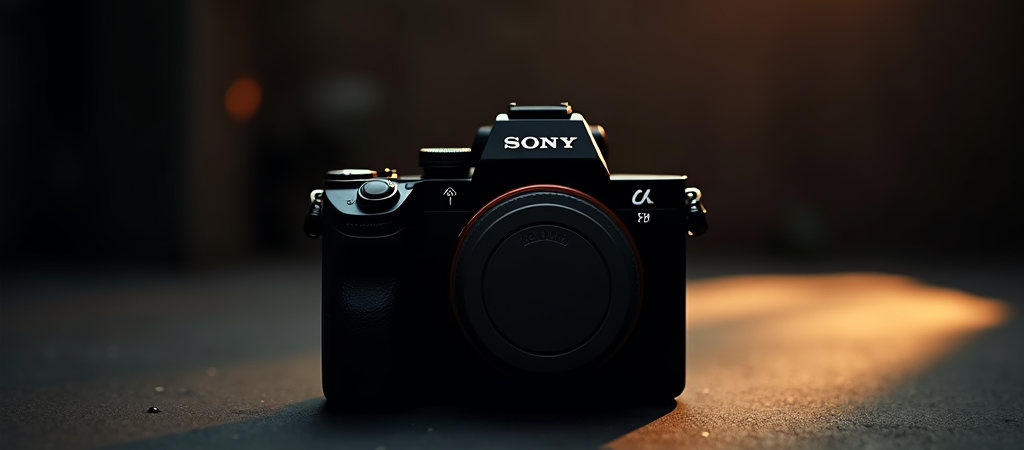
Best Mirrorless Cameras for Photography in 2026
A dark-room confession: we tested seven cameras until our SD cards screamed and our shoulders ached. These are the ones worth your money — and your creative trust.
The mirrorless war is over. The mirrorless won. What remains is the harder question: which one earns a place in your bag, your hands, your eye? We spent months shooting with seven of the most compelling mirrorless cameras on the market to find out. This isn’t a spec-sheet regurgitation. This is what actually happened when we pointed them at the world.
Quick Comparison: The Field at a Glance
Before we disappear into the details — because the details are where cameras live and die — here’s the landscape laid bare.
| Camera | Sensor | Megapixels | IBIS | Max Burst | Weight (body) | Best For | Price Range |
|---|---|---|---|---|---|---|---|
| Sony A7 IV | Full-frame BSI-CMOS | 33MP | ✓ (5-axis) | 10 fps | 658g | All-around excellence | ~$2,298 |
| Canon EOS R6 II | Full-frame CMOS | 24.2MP | ✓ (5-axis) | 40 fps (e-shutter) | 670g | Action & low-light | ~$2,299 |
| Nikon Z6 III | Full-frame Partially-Stacked CMOS | 24.5MP | ✓ (5-axis, 8-stop) | 20 fps (e-shutter) | 760g | Hybrid photo-video | ~$2,499 |
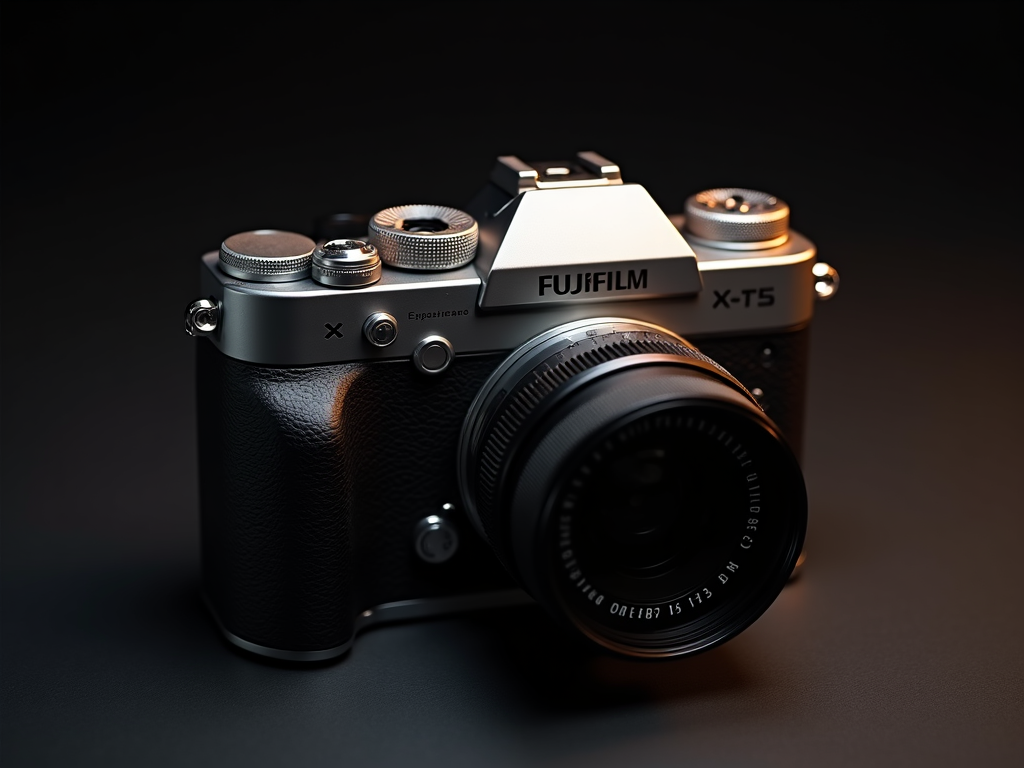
| Fujifilm X-T5 | APS-C X-Trans CMOS 5 HR | 40MP | ✓ (5-axis) | 15 fps (e-shutter) | 557g | Street & travel photography | ~$1,699 |
| Sony A7C II | Full-frame BSI-CMOS | 33MP | ✓ (5-axis) | 10 fps | 514g | Compact full-frame | ~$2,098 |
| Canon EOS R50 | APS-C CMOS | 24.2MP | ✗ | 15 fps (e-shutter) | 375g | Beginners & budget | ~$679 |
| Panasonic Lumix S5 IIx | Full-frame CMOS | 24.2MP | ✓ (5-axis, 6.5-stop) | 30 fps (e-shutter) | 740g | Video-first hybrid shooters | ~$2,199 |
Prices reflect typical street pricing as of early 2026. Your mileage — and your retailer — may vary.
Sony A7 IV — The Benchmark That Won’t Quit
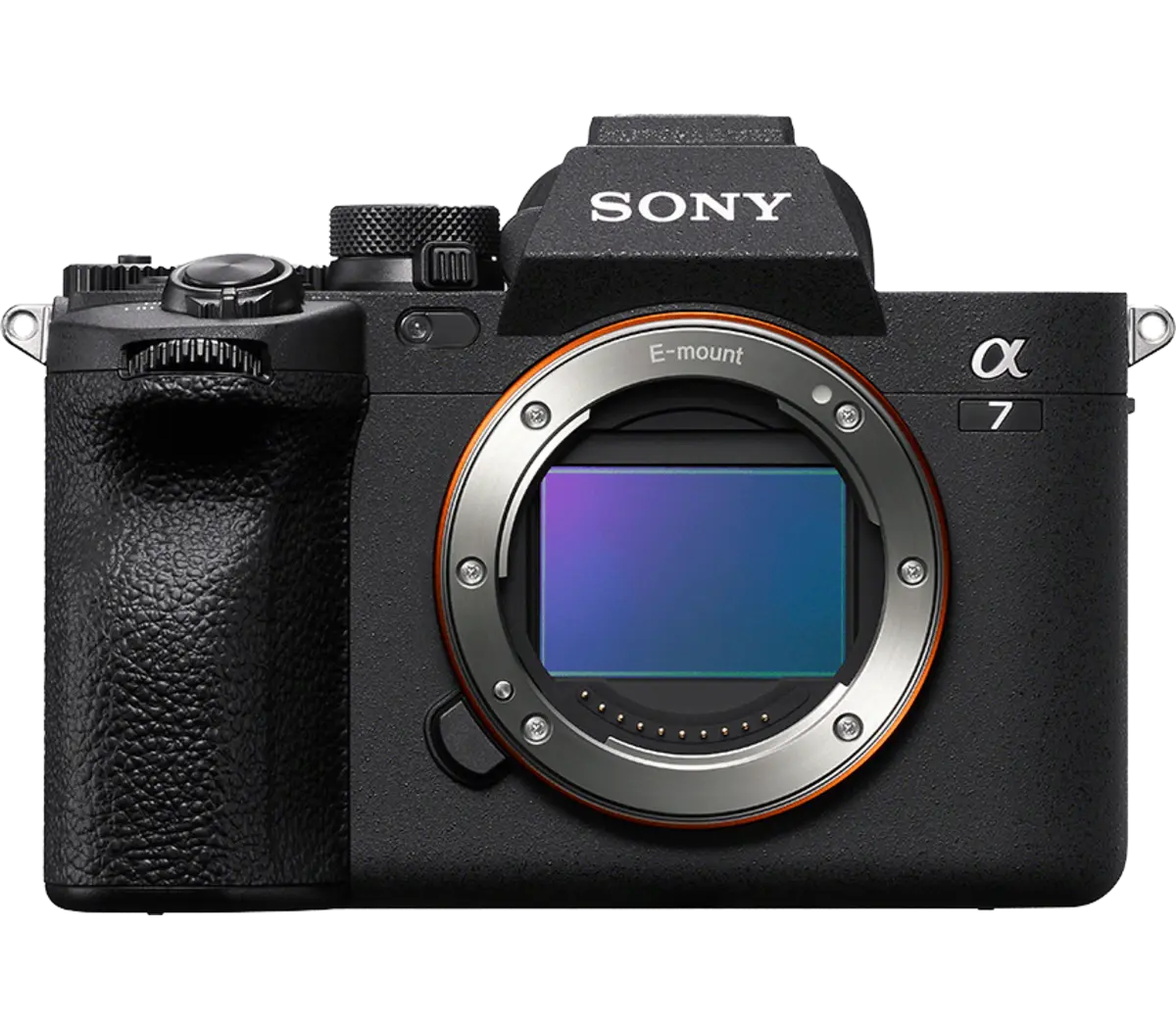
Buy the Sony A7 IV on Amazon →
Sony didn’t reinvent the wheel with the A7 IV. They refined it until it sang. And in 2026, that song still hits.
Let’s be blunt: the A7 IV is the camera other cameras are measured against. Not because it’s the most exciting. Not because it’s the cheapest. Because it does everything well enough that you stop thinking about the camera and start thinking about the photograph. That’s the whole point, isn’t it?
Sensor & Image Quality
The 33MP BSI-CMOS sensor is the sweet spot between resolution and low-light performance. It’s not going to resolve the individual threads on a bee’s wing at 50 yards — that’s what the A7R V is for — but it gives you enough crop room to rescue a composition without turning shadows into oatmeal. Dynamic range sits comfortably north of 14 stops, and the color science? Sony finally, finally cracked warm skin tones without making everything look like it was shot through a jar of honey.
JPEGs out of the A7 IV are genuinely pleasant. That’s a sentence that would’ve been laughable five years ago. Sony’s color processing has matured to the point where you don’t need to shoot RAW for every casual frame — though you should, because you’re not a coward.
Autofocus & Performance
Sony’s autofocus remains the industry standard. Real-time tracking locks onto eyes — human, animal, bird — with the tenacity of a dog who’s spotted a tennis ball. The 759 phase-detect points cover 94% of the image area, which means your subject doesn’t need to be center-frame to stay sharp.
Burst shooting tops out at 10 fps with a buffer deep enough for ~800+ compressed RAWs. It’s not the fastest gun in the west anymore, but for most photographic disciplines — portraiture, landscape, street, events — it’s more than enough. Sports shooters might want to look at the R6 II. Everyone else: read on.
Ergonomics & Handling
The grip is deeper than the A7 III’s, the joystick is crisp, and the menu system — oh, the menu system. Sony’s old menus were a war crime. The new structure is actually navigable. Progress.
The 3.68M-dot EVF is adequate but not class-leading. The rear touchscreen tilts and flips, and the vari-angle mechanism means you can shoot from absurd angles without lying on wet pavement. We’ve done that. It’s overrated.
The Verdict
The Sony A7 IV is the camera you buy when you’re tired of researching cameras. It won’t let you down. It won’t blow your mind. It’ll just get out of your way and let you work. In 2026, that’s still worth $2,298.
Best for: Generalists. Wedding shooters. Anyone who wants one body that can handle anything short of a wildlife safari.
→ Check current price on Amazon
Canon EOS R6 II — The Speed Demon Grows Up
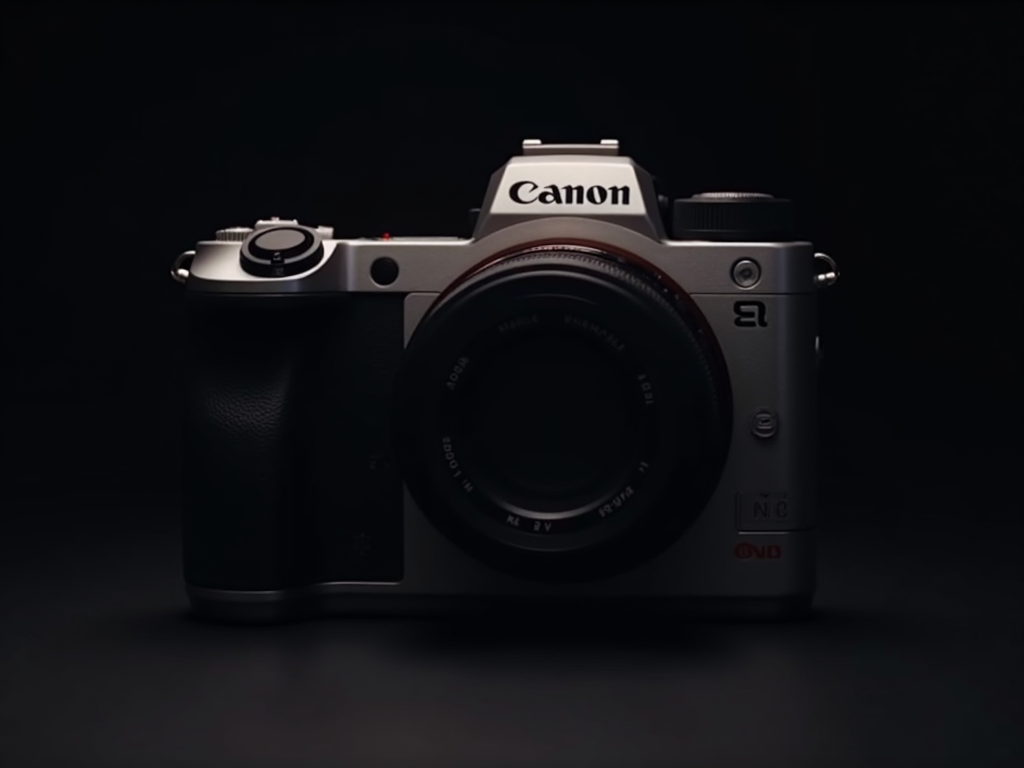
Buy the Canon R6 II on Amazon →
Canon’s R6 II is what happens when you take a camera that was already fast, make it faster, and somehow also make it smarter. It’s the shooter’s camera — built for moments that exist for a fraction of a second and then vanish forever.
Sensor & Image Quality
24.2 megapixels. In 2026. On a full-frame sensor. Is that enough?
Yes. Next question.
Here’s the thing about resolution: it matters when you’re cropping heavily or printing billboard-sized. For everything else — web, social media, prints up to 20×30 — 24MP is plenty. What the R6 II sacrifices in pixel count, it gains back in per-pixel quality. High ISO images are remarkably clean. We’re talking usable results at ISO 12800 that don’t look like they were run through a sandblaster. The Canon color science is warm, organic, and flattering — skin tones in particular render beautifully straight out of camera.
If you shoot weddings, events, or anything involving human faces in questionable lighting, the R6 II is your ace card.
Autofocus & Speed
40 frames per second in electronic shutter. Forty. Let that sink in. Canon’s second-generation Dual Detect AF tracks subjects with almost supernatural accuracy. Eye-detect works on humans, animals, birds, and even vehicles — yes, the camera can track a race car the same way it tracks your kid’s face.
The mechanical shutter hits 12 fps, which is plenty for most work, but having 40 fps e-shutter in your back pocket is like carrying a safety net made of lightning. Bird in flight? Done. Running back leaping over a pileup? Done. Your dog being ridiculous? Very done.
Ergonomics & Handling
Canon’s ergonomics are the gold standard. The grip is deep, the controls are tactile, and everything falls to hand without looking. The 3.69M-dot EVF is bright and detailed. The vari-angle screen works. The weather sealing is confidence-inspiring — we shot in light rain without a second thought.
One note: the R6 II uses CFexpress Type B cards for maximum performance, and you should invest in one. SD cards work, but they throttle the buffer. Don’t hobble this camera with slow media.
The Verdict
The R6 II is for people who believe the decisive moment isn’t a suggestion — it’s a religion. Fast, accurate, and with Canon’s gorgeous color science baked in. If you shoot things that move, this is your camera.
Best for: Sports. Wildlife. Events. Photojournalism. Any discipline where speed is the difference between a hero frame and a missed opportunity.
→ Check current price on Amazon
Nikon Z6 III — The New Hybrid King
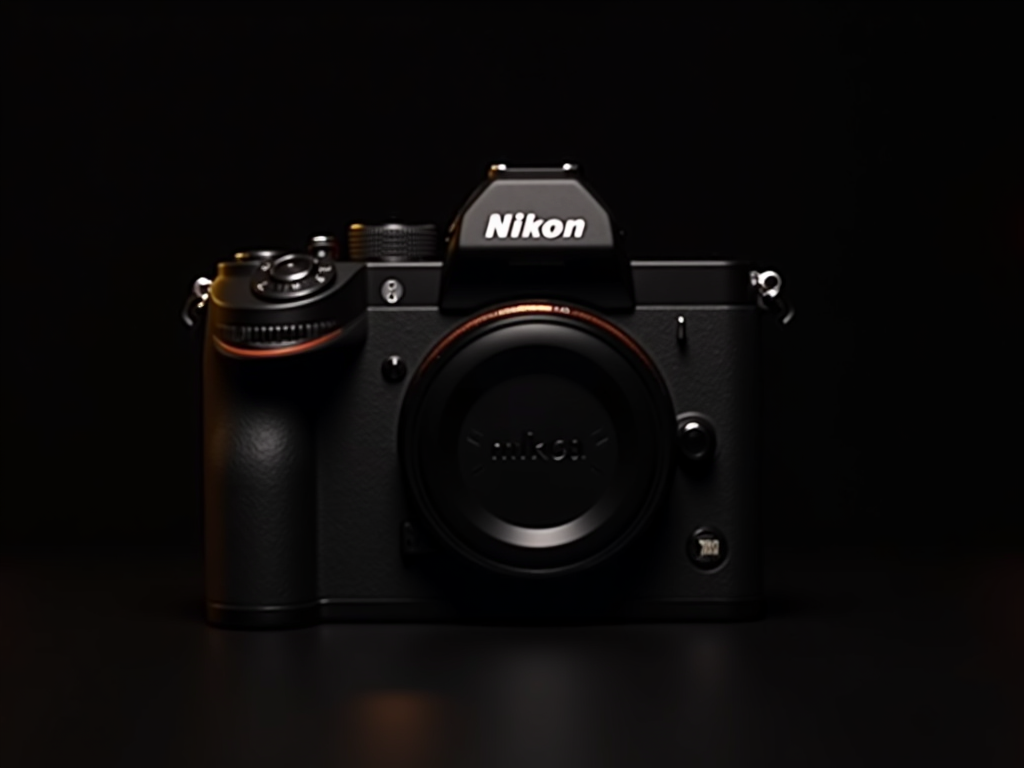
Buy the Nikon Z6 III on Amazon →
Nikon took its time. The Z6 II was competent but felt like it was holding something back. The Z6 III? It’s not holding anything back. This is Nikon showing up to the fight with a partially-stacked sensor and a point to prove.
Sensor & Image Quality
The Z6 III uses a partially-stacked 24.5MP full-frame CMOS sensor. “Partially-stacked” sounds like a compromise — it’s not. It means faster readout than a traditional sensor without the eye-watering price of a fully-stacked chip (looking at you, Z8 and Z9). The result: rolling shutter is minimal in e-shutter mode, readout is snappy, and the viewfinder blackout between frames is barely perceptible.
Nikon’s color rendering has always had a loyal following, and the Z6 III continues the tradition. Skin tones are natural without being flat. Greens render with the kind of depth that landscape photographers dream about. And the dynamic range — we pulled four stops of shadow detail from underexposed frames and the results were still clean. Nikon’s RAW files have always tolerated aggressive processing, and this sensor is no exception.
Autofocus & Performance
Nikon’s autofocus used to be the punchline. No more. The Z6 III inherits the detection algorithms from the flagship Z8/Z9, and they work. Subject detection locks onto people, animals, birds, and vehicles with conviction. Eye-detect is sticky — it finds the eye, it stays on the eye, it doesn’t get confused by a passing hand or a bright reflection.
20 fps in electronic shutter. 14 fps mechanical. Buffer is deep enough for ~200 compressed RAWs. And because the sensor readout is fast, the e-shutter is actually usable for moving subjects — something that can’t be said for every camera at this price point.
The Video Side
We’d be remiss not to mention it: the Z6 III shoots 6K internal RAW and 5.4K N-RAW to external recorders. It’s a legit video tool in a photo-first body. If you’re a hybrid shooter who wants one camera for both disciplines, the Z6 III makes a compelling case.
The Verdict
The Z6 III is Nikon saying “we heard you” and actually meaning it. Fast, versatile, with best-in-class hybrid capabilities and autofocus that finally, finally hangs with Sony and Canon. This is the Z6 we’ve been waiting for.
Best for: Hybrid shooters. Wedding filmmakers who also need stills. Anyone who wants flagship DNA without the flagship price tag.
→ Check current price on Amazon
Fujifilm X-T5 — The Photographer’s DSLR, Reborn
Buy the Fujifilm X-T5 on Amazon →
Some cameras are tools. The X-T5 is a relationship.
Fujifilm makes cameras for people who like cameras. People who enjoy the tactile ritual of dial-turning, who compose through an optical viewfinder simulation, who choose their film simulation before they press the shutter instead of slapping a preset on later. The X-T5 is the purest expression of that philosophy yet.
Sensor & Image Quality
40 megapixels on APS-C. Let’s address the elephant: that’s equivalent to roughly 60MP on full-frame in terms of linear resolution. For an APS-C camera, that’s absurd in the best way. The X-Trans CMOS 5 HR sensor resolves detail that makes you zoom in and zoom in and zoom in, and there’s still more detail.
But megapixels aren’t why you buy Fuji. You buy Fuji for the color. The film simulations — Provia, Velvia, Classic Chrome, Nostalgic Neg, Reala Ace — are not Instagram filters. They’re carefully crafted color science built on decades of actual film chemistry. Shooting JPEG+RAW with Classic Chrome on the X-T5 produces files that need zero post-processing to look published. We’re not exaggerating. We’ve published them.
The X-Trans sensor pattern eliminates the optical low-pass filter without moiré issues, meaning every raw file is sharp in a way that Bayer sensors have to work harder to achieve. The trade-off is slightly more processing overhead in Lightroom, but Capture One handles X-Trans effortlessly. Choose your poison.
Autofocus & Performance
Here’s where it gets complicated. The X-T5’s autofocus is good. It’s not Sony-good or Canon-good, but it’s in the conversation. Subject detection works reliably for people and animals. Eye-detect is competent. It’ll track a walking subject with no drama. A running subject? Mostly fine. A bird in erratic flight? You might want to switch to a Sony or Canon for that specific use case.
Burst rate is 15 fps in e-shutter, which is plenty for street and travel photography — the X-T5’s natural habitat. The buffer holds ~140 compressed RAWs, which is adequate but not generous.
Ergonomics & Handling
This is where the X-T5 either wins you over or loses you. The top-plate dials for ISO, shutter speed, and exposure compensation are a statement. They say: you should know what your settings are without looking at a screen. The tactile click of each detent is satisfying in a way that touchscreen sliders will never be.
The body is compact — significantly smaller than any full-frame option — and at 557g, it’s light enough to carry all day without complaint. The grip is modest; big-handed photographers might find it a pinch. Add a lens and it balances beautifully.
The 3.69M-dot EVF is good. The tilt-only rear screen is a deliberate choice: Fujifilm argues that tilt screens are better for still photography (we agree) and vari-angle screens are better for video (we also agree). Pick your priority.
The Verdict
The X-T5 isn’t trying to be the best camera on paper. It’s trying to be the camera that makes you want to pick it up and go shoot. And it succeeds. If the act of making a photograph matters to you — not just the result — this is your camera.
Best for: Street photographers. Travel shooters. Anyone who believes the process is as important as the output. JPEG lovers who want film-like rendering without the darkroom.
→ Check current price on Amazon
Sony A7C II — Full-Frame Power, Pocket-Sized Package
Buy the Sony A7C II on Amazon →
The A7C II is a philosophical statement in a camera body: you don’t need to suffer for full-frame image quality. It takes the A7 IV’s sensor, shrinks the body, and asks a simple question — how small can full-frame get before you start making compromises?
The answer: surprisingly small, with surprisingly few compromises.
Sensor & Image Quality
Same 33MP BSI-CMOS sensor as the A7 IV. Same color science. Same dynamic range. Same autofocus algorithms. In terms of the image file that comes out the other end, the A7C II is an A7 IV wearing a smaller jacket. That’s high praise — the A7 IV’s sensor is one of the best all-arounders in the business.
If you’ve read the A7 IV section above, you already know what this sensor can do. The A7C II delivers identical image quality in a body that fits in a coat pocket (with a compact lens). That’s the entire pitch, and it’s a damn good one.
Autofocus & Performance
Identical autofocus system to the A7 IV. Same 759 phase-detect points, same real-time tracking, same eye-AF that locks on and doesn’t let go. 10 fps burst. The performance is not compromised by the smaller body — Sony packed the same silicon into a smaller chassis without cutting corners on the processing pipeline.
What is compromised: the EVF is smaller (0.39″ vs 0.5″ on the A7 IV) and lower resolution (2.36M dots vs 3.68M). It’s usable but not luxurious. If you wear glasses, try before you buy. The single card slot is another cut — professionals who shoot paid work with no backup card will feel that absence in their gut.
Ergonomics & Handling
At 514g, this is one of the lightest full-frame bodies ever made. The grip is smaller than the A7 IV’s — workable, but not generous. The control layout is simplified: fewer custom buttons, no front dial, no joystick (you use the touchscreen for AF point selection). It’s a camera designed for people who prefer auto-everything with occasional manual intervention, rather than tactile control over every parameter.
That’s not a criticism. It’s a different design philosophy for a different type of shooter. The A7C II is for people who want full-frame quality without full-frame bulk — and who are willing to sacrifice some hands-on control to get it.
The Verdict
The A7C II is the answer to “what if full-frame didn’t have to be a commitment?” It’s a serious camera in a casual body. Image quality is indistinguishable from the A7 IV. The trade-offs are real — smaller EVF, single card slot, fewer controls — but for travel photographers, street shooters, and anyone tired of lugging a brick, those trade-offs are worth making.
Best for: Travel photographers. Street shooters who want full-frame. Anyone transitioning from APS-C to full-frame who doesn’t want to buy a bigger camera bag.
→ Check current price on Amazon
Canon EOS R50 — The Gateway Drug
Every photographer remembers their first “real” camera — the one that made them realize this wasn’t just a hobby, it was an identity. The R50 wants to be that camera. And at $679, it’s priced to be exactly that.
Sensor & Image Quality
24.2MP APS-C CMOS sensor. No, it’s not full-frame. No, it doesn’t matter — not at this price point. The R50’s sensor produces clean, colorful files with Canon’s signature warmth. Skin tones are excellent. High-ISO performance is solid through ISO 6400, which is more than enough for most beginners and enthusiasts.
What the R50 lacks in outright dynamic range compared to full-frame siblings, it makes up for in approachability. The JPEGs are good. Canon’s Auto Lighting Optimizer and Creative Assist modes make it nearly impossible to take a truly bad photo in decent light. For someone picking up their first interchangeable-lens camera, that confidence matters more than a half-stop of shadow recovery.
Autofocus & Performance
Here’s the surprise: the R50 inherits Canon’s subject-detection AF from the higher-end bodies. People, animals, vehicles — it tracks them all. The 15 fps electronic shutter is genuinely fast for a camera at this price. The buffer is shallow (you’ll get ~20-30 RAWs before it chokes), but for learning the craft, it’s more than enough.
This is Canon making a statement: beginner photographers deserve competent autofocus. We agree.
Ergonomics & Handling
The R50 is tiny. 375g tiny. It’s the camera you can carry every day without thinking about it. The grip is small but well-shaped. Controls are simplified — fewer buttons, more menus — which is appropriate for the target audience. The 2.36M-dot EVF is budget-grade but functional. The vari-angle touchscreen is responsive and well-implemented.
No IBIS. That’s the biggest omission. You’ll need stabilized lenses or steady hands. Canon’s RF-S lens lineup is growing but still limited compared to Sony E or Fujifilm X. The RF adapter opens up EF lenses, which helps, but adds bulk.
The Verdict
The R50 is the camera that gets you hooked. It’s not the camera you’ll shoot forever — but it’s the camera that makes you want to shoot forever. And at this price, it’s the best entry point into the mirrorless ecosystem in 2026.
Best for: Beginners. Students. Content creators stepping up from a phone. Anyone who wants Canon color science and AF without the Canon price tag.
→ Check current price on Amazon
Panasonic Lumix S5 IIx — The Video Beast That Shoots Stills

Buy the Panasonic S5 IIx on Amazon →
Panasonic has spent years making cameras that video people loved and photo people ignored. The S5 IIx is Panasonic’s attempt to make everyone pay attention — and it mostly works.
Sensor & Image Quality
The 24.2MP full-frame CMOS sensor produces clean, detailed files with pleasing color. Panasonic’s color science has always been underrated for stills — it renders skin tones with a slightly cooler, more cinematic quality than Canon’s warmth or Sony’s clinical neutrality. It’s a look. You either like it or you don’t. We like it.
Dynamic range is competitive: ~13.5 usable stops in RAW, with good shadow recovery and clean highlights. It’s not quite Sony-level in the deep shadows, but it’s close enough that it only matters in extreme situations (and even then, it’s recoverable with modern noise reduction tools).
The IIx variant adds RAW video output over HDMI and internal Apple ProRes recording. If those sentences mean nothing to you, the standard S5 II saves you money. If they make your heart race, the IIx is worth the premium.
Autofocus & Performance
Let’s address the old wound: Panasonic autofocus used to be bad. Not “quirky” bad. “Unreliable in anything other than controlled conditions” bad. The S5 II generation fixed this with a new phase-detect AF system, and the improvement is night-and-day. Subject tracking works. Eye-detect works. It’s not Sony-level, but it’s now in the same conversation rather than a different building entirely.
30 fps in electronic shutter is the headline number. In practice, e-shutter readout isn’t fast enough for serious action work — rolling shutter is visible on fast-moving subjects. For deliberate photography (portraits, landscapes, events, studio), it’s a non-issue. For sports, stick to the 9 fps mechanical shutter.
Ergonomics & Handling
Panasonic makes some of the best-handling cameras in the business. The S5 IIx has a deep, comfortable grip. The control layout is logical and customizable. The 3.68M-dot EVF is good. The vari-angle screen is excellent. Weather sealing is robust. At 740g, it’s not light — but it feels right in the hand in a way that some lighter cameras don’t.
The L-mount lens ecosystem is growing, with Panasonic, Sigma, and Leica all contributing. It’s not as deep as Sony E-mount or Canon RF, but for most photographic needs, there’s a lens. And Sigma’s L-mount lenses offer absurd value.
The Verdict
The S5 IIx is a camera that refuses to choose a side. It shoots excellent stills. It shoots phenomenal video. It does both in the same body, on the same shoot, without compromising either. If your creative life straddles the line between photo and video — and let’s be honest, in 2026, whose doesn’t? — this is worth a serious look.
Best for: Hybrid photo-video creators. Wedding filmmakers. YouTubers who also care about still photography. Anyone who wants ProRes in a stills body.
→ Check current price on Amazon
Buying Guide: How to Choose Your Mirrorless Camera in 2026
Seven cameras. Seven philosophies. One question: which one is yours?
Here’s the honest truth that most review sites won’t tell you: there are no bad cameras in this lineup. Every single one of these bodies is capable of producing professional-quality images. The differences between them are matters of degree, philosophy, and fit — not of fundamental capability.
So instead of telling you which one is “best,” let’s figure out which one is best for you.
Step 1: Be Honest About What You Shoot
Most photographers overestimate their needs. You don’t need 40 fps unless you’re shooting sports or wildlife. You don’t need 40MP unless you’re making large prints or cropping aggressively. You don’t need full-frame unless you’re shooting in genuinely challenging low-light situations or need maximum depth-of-field control.
What do you shoot? Be specific. Not “a bit of everything.” What’s on your SD card right now?
- Portraits and events? → Canon R6 II (color science, speed) or Sony A7 IV (versatility)
- Street and travel? → Fujifilm X-T5 (compact, character) or Sony A7C II (full-frame in a small body)
- Landscapes and detail? → Fujifilm X-T5 (40MP APS-C) or Sony A7 IV (33MP full-frame)
- Sports and action? → Canon R6 II (40 fps) or Nikon Z6 III (fast readout)
- Video-heavy hybrid work? → Panasonic S5 IIx (ProRes, best video features) or Nikon Z6 III (6K RAW)
- Just starting out? → Canon R50 (best value, capable AF, learn the craft)
Step 2: Factor In the Ecosystem
You’re not just buying a camera. You’re buying into a lens ecosystem. This is the real lock-in, and it matters more than most people think.
- Sony E-mount: The largest mirrorless lens catalog. Every third-party manufacturer makes E-mount lenses. You’ll never be without options.
- Canon RF-mount: Excellent first-party lenses, but Canon restricts third-party AF lenses. You’re buying into Canon’s ecosystem — which is excellent, but not cheap.
- Nikon Z-mount: Growing rapidly. Nikon’s S-line lenses are among the best in the business. Third-party support has improved significantly with Sigma and Tamron joining the platform.
- Fujifilm X-mount: Strong lineup of compact, characterful lenses. Third-party support from Sigma, Tamron, and Viltrox is excellent.
- L-mount (Panasonic/Leica/Sigma): Smaller but growing. Sigma’s L-mount lenses are absurdly good value. Leica lenses exist if you hate money.
Step 3: Consider Your Budget Honestly
The body is the down payment. Lenses are the mortgage. A $679 Canon R50 with a $200 lens will take better photos than a $2,499 Nikon Z6 III with a lens you can’t afford.
Our budget recommendations:
- Under $1,000: Canon R50 + kit lens. Period. It’s not close.
- $1,500–$2,000: Fujifilm X-T5 (APS-C but 40MP and gorgeous rendering)
- $2,000–$2,500: Sony A7C II (full-frame, compact) or Panasonic S5 IIx (hybrid powerhouse)
- $2,250–$2,500: Sony A7 IV or Canon R6 II (the two best all-around full-frame options)
- $2,500+: Nikon Z6 III (the hybrid king, worth the premium if you shoot both)
Step 4: Don’t Ignore How It Feels
Specs are objective. Handling is personal. A camera that feels wrong in your hands will sit on a shelf. A camera that feels right will make you want to shoot every day.
If possible, go to a camera store. Hold these bodies. Cycle through the menus. Adjust a setting. Take a shot. Delete it. Do it again. Which one made you smile?
That’s the one.
Step 5: The Full-Frame vs. APS-C Decision
In 2026, this is less of a decision than it used to be. APS-C sensors — particularly Fujifilm’s X-Trans — produce image quality that would’ve been unthinkable at this price point five years ago. Full-frame still holds advantages in low light and depth-of-field control, but the gap has narrowed significantly.
Choose full-frame if:
- You shoot in low light regularly (events, astrophotography, indoor sports)
- You want maximum background separation for portraiture
- You make large prints (20×30 and above)
- You want the widest possible lens selection
Choose APS-C if:
- Size and weight matter (travel, street, hiking)
- You prefer smaller, lighter lenses
- You’re budget-conscious and want to invest in glass over body
- You love Fujifilm’s film simulations (this is a valid reason — fight us)
A Final Word
The best camera is the one you have with you. We know. It’s a cliché. But it’s a cliché because it’s true. The camera that inspires you to walk out the door — the one that makes you reach for it instead of your phone — that’s the camera that will make you a better photographer. Not the specs. Not the price tag. The one that makes you want to shoot.
Buy that one.
Frequently Asked Questions
Is mirrorless better than DSLR in 2026?
For almost everyone, yes. Mirrorless cameras offer superior autofocus, real-time exposure preview, silent shooting, and smaller bodies. DSLRs still have advantages in battery life and optical viewfinder latency, but those advantages are narrowing with each generation. If you’re buying new in 2026, mirrorless is the clear choice unless you have a specific DSLR-only need.
Do I need full-frame for professional photography?
No. APS-C cameras like the Fujifilm X-T5 are used by professional photographers every day. Full-frame offers advantages in low-light performance and depth-of-field control, but a skilled photographer with an APS-C camera will outperform a mediocre photographer with full-frame every time. Invest in skills before sensors.
How many megapixels do I actually need?
For most photographers: 24MP is plenty. For social media and web: 12MP is enough. For large prints and aggressive cropping: 33-40MP is justified. For commercial and studio work requiring maximum detail: 45-60MP+ makes sense. More megapixels mean larger files, slower buffer clearing, and more storage. Only pay for resolution you’ll actually use.
What’s the best mirrorless camera for beginners?
The Canon EOS R50. It offers Canon’s excellent autofocus, approachable controls, solid image quality, and a price point ($679) that doesn’t require a second mortgage. Pair it with the kit lens, learn the basics, and upgrade when you hit the R50’s limits — which will take longer than you think.
Should I wait for the next generation?
You can always wait. Camera technology moves fast. But the cameras on this list are mature, capable, and available now. The A7 IV is three years old and still the benchmark. The X-T5 is a refinement of a proven formula. Waiting means not shooting. Not shooting means not improving. Buy the camera, make the photos.
Disclosure: Lens & Lumens is a participant in the Amazon Services LLC Associates Program, an affiliate advertising program designed to provide a means for sites to earn advertising fees by advertising and linking to Amazon.com. As an Amazon Associate, we earn from qualifying purchases. This does not affect our editorial opinions — we test what we test, and we call it like we see it.