

There’s a brutal truth every filmmaker learns the hard way: shaky footage destroys the mood, no matter how perfect your exposure or how cinematic your color grade. One wobbly handheld shot and your viewers are pulled out of the story you worked so hard to create. That’s where camera gimbals become essential — not just useful, but transformative.
A quality 3-axis gimbal stabilizer absorbs your body’s natural movement and delivers the kind of glassy, floating footage you see in big-budget films. Whether you’re shooting moody short films, dark-toned travel videos, wedding cinematography, or YouTube content with that cinematic edge, the right gimbal changes everything.
In this guide, we’ve tested and researched the best camera gimbals of 2026 across every price point — from compact gimbals for mirrorless setups to heavy-duty stabilizers for full-frame rigs. Let’s find your perfect match.
What to Look for in a Camera Gimbal
Before diving into recommendations, here are the key specs that separate a great gimbal from a frustrating one:
- Payload capacity: Your gimbal must comfortably handle your camera + lens combo. Always leave a 20–30% buffer below the max listed weight.
- Battery life: Look for 10+ hours for all-day shoots. Some gimbals also allow pass-through charging of your camera.
- Stabilization modes: Pan-follow, lock mode, full follow — more modes means more creative control.
- Setup time: Auto-calibration features (like DJI’s AutoTune) save minutes on set that add up over time.
- App & control: Bluetooth app connectivity for remote control and firmware updates is a major workflow bonus.
- Form factor: Sling grip vs. traditional handle vs. mini — choose based on your shooting style.
The 9 Best Camera Gimbals for Cinematic Video in 2026
1. DJI RS 4 — Best Overall Camera Gimbal
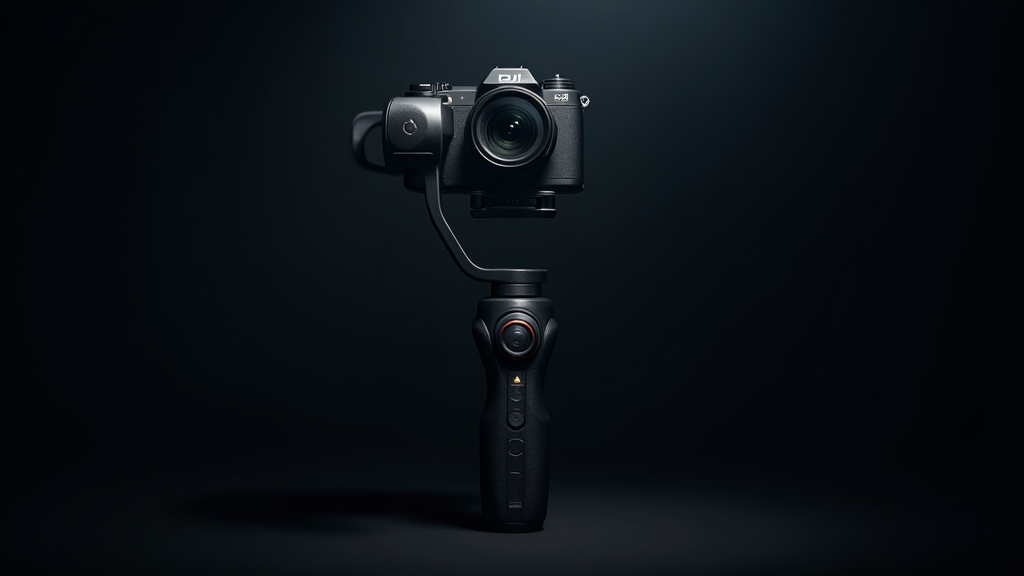
The DJI RS 4 is the undisputed king of camera gimbals for 2026. DJI refined everything that made the RS 3 great and pushed it further — a lighter carbon fiber construction, upgraded OLED touchscreen, and the new SuperSmooth mode that handles extreme walking and running shots with jaw-dropping accuracy.
With a 3 kg (6.6 lb) payload, the RS 4 handles full-frame bodies like the Sony A7R V or Canon EOS R5 paired with a 24–70mm lens without breaking a sweat. The redesigned quick-release system lets you switch between cameras in under 10 seconds — a genuine game-changer on fast-moving sets.
The AutoTune feature analyzes your camera’s balance and configures motor strength automatically, eliminating the tedious trial-and-error of manual tuning. Battery life hits 13 hours, and the USB-C port charges your camera simultaneously.
Best for: Professional filmmakers, wedding cinematographers, serious content creators
Payload: Up to 3 kg (6.6 lbs)
Battery life: ~13 hours
→ Check DJI RS 4 Price on Amazon
2. DJI RS 3 — Best Mid-Range Gimbal
If the RS 4 stretches your budget, the DJI RS 3 remains one of the most capable gimbals ever made. It delivers the same DNA — reliable stabilization, intuitive OLED panel, and DJI’s powerful app ecosystem — at a noticeably lower price.
The RS 3 supports a 3 kg payload (same as RS 4) and includes the brilliant Bluetooth shutter control that works natively with Sony, Nikon, Canon, Fujifilm, and Panasonic cameras. One of the best features is the folding design: the RS 3 collapses to a remarkably compact size that fits in most camera bags.
For dark and moody narrative filmmaking, the RS 3’s smooth pan-follow mode creates that deliberate, cinematic reveal shot — the kind that feels intentional and atmospheric rather than rushed.
Best for: Mid-level filmmakers, travel shooters, hybrid photographers
Payload: Up to 3 kg
Battery life: ~12 hours
→ Check DJI RS 3 Price on Amazon
3. DJI RS 3 Mini — Best Compact Gimbal
The DJI RS 3 Mini is the answer for photographers who shoot with lighter mirrorless setups — Sony ZV-E10, Fujifilm X-S20, OM System OM-5 — and don’t want to lug a full-sized stabilizer. At just 795g, it’s light enough to use for hours without arm fatigue.
Don’t mistake its compact size for compromise. The RS 3 Mini delivers the same smooth 3-axis stabilization as its bigger siblings, supports vertical shooting for Reels and TikTok, and connects to the DJI Mimo app for intelligent tracking and creative modes. The 1.8 kg payload covers most APS-C and Micro Four Thirds bodies with a standard prime or kit zoom.
For street photography-style video with that gritty, low-light urban aesthetic, the RS 3 Mini is unmatched in its weight class.
Best for: APS-C shooters, travel vloggers, street filmmakers
Payload: Up to 1.8 kg
Battery life: ~10 hours
→ Check DJI RS 3 Mini Price on Amazon
4. Zhiyun Crane 4 — Best for Heavy Rigs
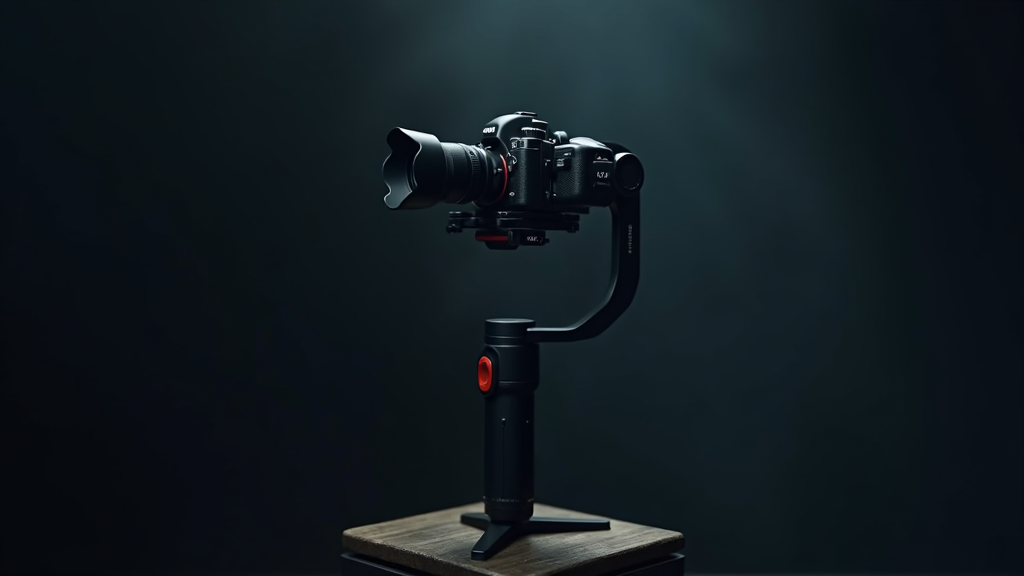
The Zhiyun Crane 4 is the gimbal for filmmakers who run heavier setups — full-frame cameras with large zoom lenses, external monitors, and microphones. With a 3.5 kg payload capacity and a beefy dual-layer grip, it’s purpose-built for demanding productions where reliability is non-negotiable.
What sets the Crane 4 apart is its mechanical stops system that prevents motor damage during transport, and the smart gimbal assistant app with PO (phone as monitor) mode. The upgraded axis locks make balancing fast and frustration-free even with unusual lens configurations.
Zhiyun also improved the fill light attachment system on the Crane 4, so you can mount their popular MOLUS series lights directly to the handle — a compact lighting-plus-stabilization rig in one elegant package.
Best for: Heavy camera rigs, cinema shooters, documentary filmmakers
Payload: Up to 3.5 kg
Battery life: ~21 hours
→ Check Zhiyun Crane 4 Price on Amazon
5. Zhiyun Crane-M3S — Best for Lightweight Mirrorless
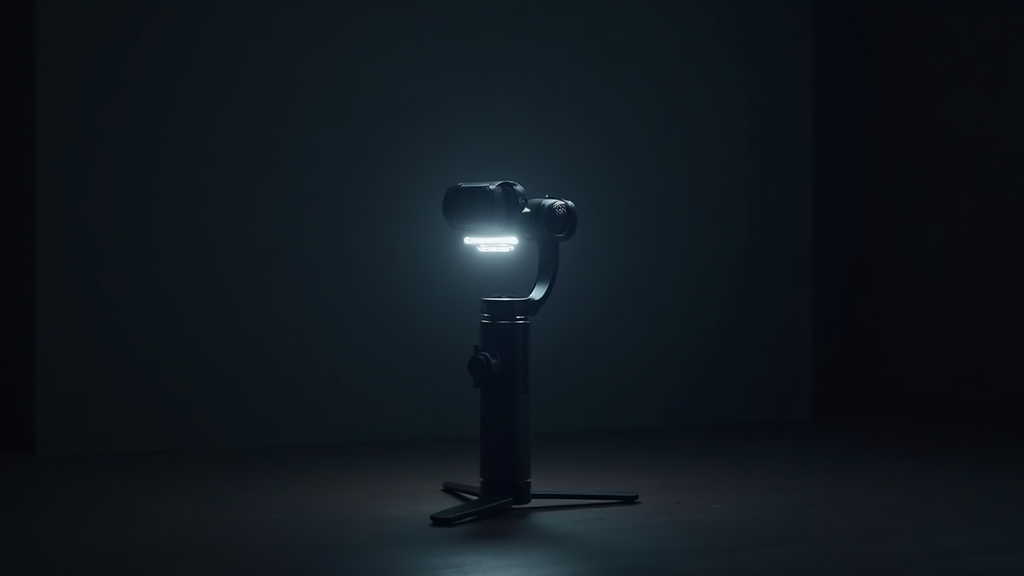
The Zhiyun Crane-M3S is a clever hybrid: it’s a gimbal with a built-in fill light, making it an all-in-one solution for vloggers, run-and-gun shooters, and anyone who needs quick, flattering light on the go. The integrated 900-lux LED panel is genuinely useful for dark indoor environments.
With a 2 kg payload and a light body that weighs just 650g, the Crane-M3S works beautifully with Sony ZV-E1, Fujifilm X-T5, and similar compact full-frame or APS-C bodies. Setup is fast thanks to the tool-free quick-release and the built-in smart screen for fine-tuning parameters.
Best for: Vloggers, content creators, solo shooters
Payload: Up to 2 kg
Battery life: ~8 hours
→ Check Zhiyun Crane-M3S Price on Amazon
6. FeiyuTech AK2000C — Best Budget Gimbal for DSLR
Not everyone needs the most premium option, and the FeiyuTech AK2000C proves it spectacularly. For shooters on a tighter budget who still want reliable stabilization for heavier DSLR or mirrorless setups, the AK2000C delivers impressive value with a 2.2 kg payload and large touchscreen display.
The AK2000C features a follow focus wheel on the handle, allowing smooth focus pulls without a dedicated follow focus system — a genuinely useful feature for solo operators shooting cinematic content. The LCD panel provides clear motor status, battery level, and mode information at a glance.
Build quality is solid aluminum, and the quick-release plate is Arca-Swiss compatible, meaning you can swap between your tripod and gimbal without re-balancing. For the price, it’s remarkable.
Best for: Budget-conscious filmmakers, DSLR users, beginners upgrading from phone gimbals
Payload: Up to 2.2 kg
Battery life: ~12 hours
→ Check FeiyuTech AK2000C Price on Amazon
7. Hohem iSteady MT2 — Best Under $200
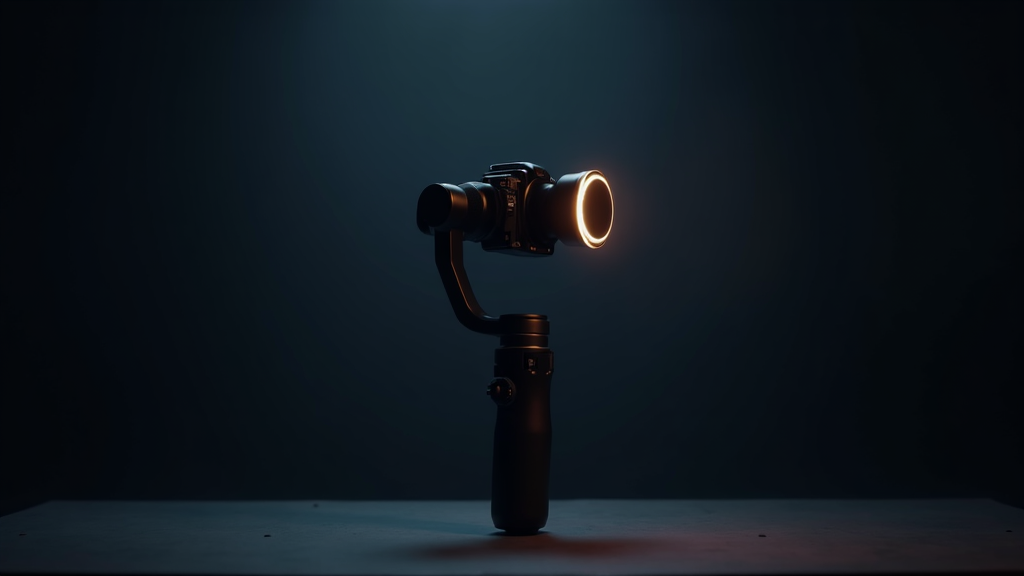
The Hohem iSteady MT2 is the standout value pick under $200, packing features that feel almost too generous for the price point. It includes a built-in 400-lux AI fill light, LiDAR distance sensor for intelligent face tracking, and AI recognition that automatically keeps your subject in frame.
The iSteady MT2 handles up to 3.5 kg — impressive for a budget gimbal — making it compatible with most mirrorless systems including full-frame Sony and Canon bodies. The aluminum build feels premium, and the 0.96″ OLED display is a nice touch you rarely see at this price.
For solo creators filming moody talking-head content or atmospheric walk-and-talk videos, the AI tracking plus fill light combo means you genuinely only need this one piece of gear.
Best for: Solo content creators, beginners, budget shooters
Payload: Up to 3.5 kg
Battery life: ~12 hours
→ Check Hohem iSteady MT2 Price on Amazon
8. Gudsen MOZA AirCross 3 — Best for Sony & Canon Shooters
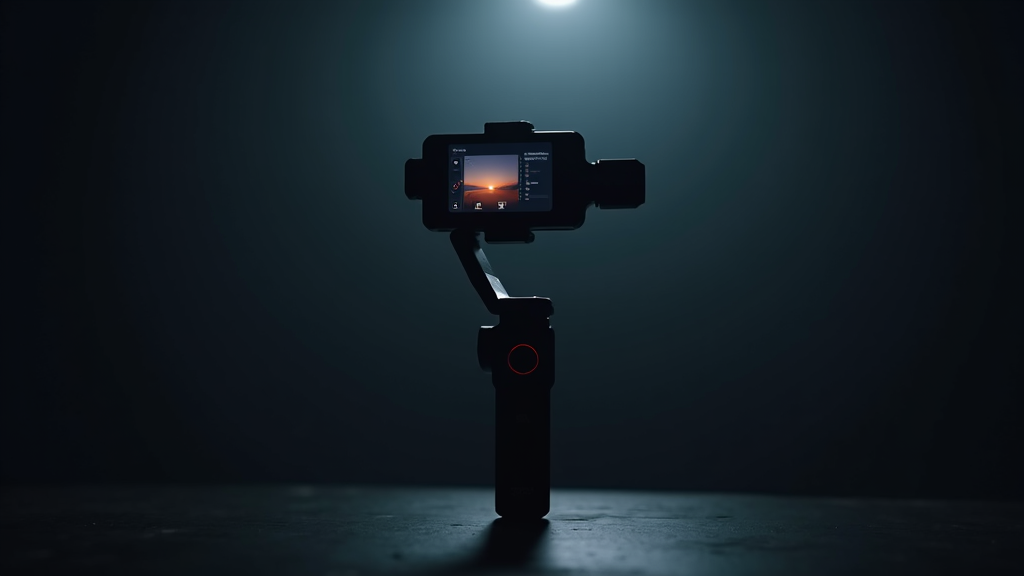
The Gudsen MOZA AirCross 3 is a sophisticated stabilizer built for mirrorless shooters who want deep camera integration. MOZA’s SYNC protocol delivers full electronic follow focus, zoom control, and shutter trigger directly from the gimbal handle — no extra cables, no dongles, clean operation.
The AirCross 3 supports a 3.2 kg payload and introduces the new InstaTune auto-calibration that works in under 30 seconds. The 1.22″ color touch display is the largest in its class and genuinely useful for monitoring status and adjusting settings without opening an app.
MOZA’s motion time-lapse and 360° panorama modes are stellar for atmospheric b-roll — exactly the kind of ethereal, moody sequences that elevate a short film from good to unforgettable.
Best for: Sony/Canon mirrorless shooters, narrative filmmakers, creative videographers
Payload: Up to 3.2 kg
Battery life: ~14 hours
→ Check MOZA AirCross 3 Price on Amazon
9. FeiyuTech SCORP-C — Best Beginner-Friendly Gimbal
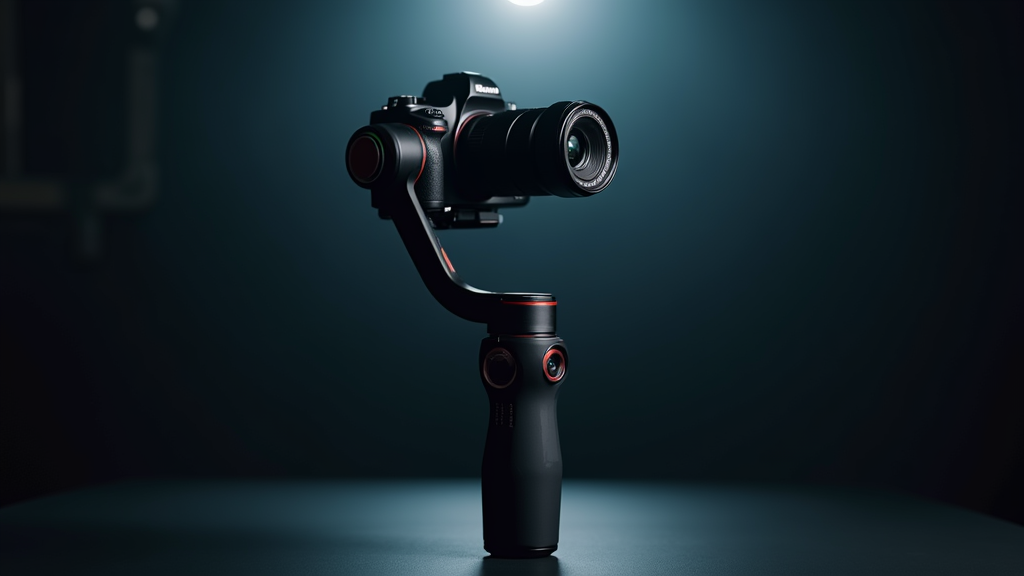
If you’re stepping into gimbal territory for the first time, the FeiyuTech SCORP-C makes the learning curve almost painless. The one-key startup, magnetic lens holder for quick release, and intuitive app-free controls mean you’re shooting stabilized footage within minutes of unboxing.
The SCORP-C accommodates up to 2.5 kg and features a clever sling grip design that reduces wrist fatigue on long handheld sessions. The Sport mode offers responsive real-time stabilization for faster-moving subjects, while the standard mode delivers that floaty, cinematic motion for narrative content.
FeiyuTech’s companion app adds advanced features like object tracking, timelapse, and custom motion paths for when you’re ready to push your creativity further.
Best for: Beginners, photography students, hybrid shooters new to video
Payload: Up to 2.5 kg
Battery life: ~10 hours
→ Check FeiyuTech SCORP-C Price on Amazon
Camera Gimbal Comparison: Quick Reference Table
| Gimbal | Max Payload | Battery Life | Best For | Price Range |
|---|---|---|---|---|
| DJI RS 4 | 3 kg | 13 hrs | Best Overall | $$$ |
| DJI RS 3 | 3 kg | 12 hrs | Mid-Range Value | $$ |
| DJI RS 3 Mini | 1.8 kg | 10 hrs | Compact Travel | $$ |
| Zhiyun Crane 4 | 3.5 kg | 21 hrs | Heavy Rigs | $$$ |
| Zhiyun Crane-M3S | 2 kg | 8 hrs | Built-in Light | $$ |
| FeiyuTech AK2000C | 2.2 kg | 12 hrs | Budget DSLR | $ |
| Hohem iSteady MT2 | 3.5 kg | 12 hrs | Best Under $200 | $ |
| MOZA AirCross 3 | 3.2 kg | 14 hrs | Sony/Canon Shooters | $$$ |
| FeiyuTech SCORP-C | 2.5 kg | 10 hrs | Beginners | $ |
How to Balance a Gimbal for Perfect Stabilization
Even the most expensive gimbal will underperform — or fail entirely — if it’s not balanced correctly. Here’s a quick three-step process:
- Balance the tilt axis first. Loosen the tilt axis and position the camera so it holds level horizontally without power. Tighten and lock.
- Balance the roll axis. Rotate the gimbal 90° and let the camera hang. Adjust the camera plate left or right until the camera hangs level. Lock.
- Balance the pan axis. Set the gimbal upright and adjust the camera forward/backward so it doesn’t tip toward the lens or body. Lock.
Once balanced, run the motor calibration from your app (if available). A well-balanced gimbal uses less motor power, generates less heat, and lasts longer — it’s worth the extra 5 minutes every time.
Gimbal Shooting Techniques for Cinematic Video
Owning a gimbal is one thing. Using it cinematically is another. These techniques will immediately elevate your footage:
- The Reveal Walk: Start with the gimbal pointed at the ground (or a dark foreground element), then smoothly tilt up to reveal your subject. Works beautifully for moody environmental reveals.
- The Low Orbit: Lower the gimbal to hip or knee height and walk slowly around your subject. The low angle combined with smooth motion creates an imposing, atmospheric feel.
- The Parallax Push: Move toward your subject while panning slightly off-center. Creates that 3D parallax effect popular in high-end music videos and film trailers.
- The Whip Pan: In Sport Mode, use the gimbal’s momentum to do a controlled whip pan transition between scenes. Elegant and energetic at once.
Frequently Asked Questions About Camera Gimbals
Do I need a gimbal if my camera has IBIS?
In-Body Image Stabilization (IBIS) is excellent for minor handheld shake, but it can’t compensate for walking motion, body sway, or faster movement the way a gimbal does. For truly cinematic, flowing video footage, a gimbal remains essential even on cameras with the best IBIS systems.
Can I use a gimbal with a mirrorless camera?
Absolutely — most modern gimbals are designed specifically for mirrorless cameras. Just ensure your camera + lens combination falls within the gimbal’s stated payload limit, with a comfortable margin below the maximum.
What’s the best gimbal for Sony cameras?
The DJI RS 4 and MOZA AirCross 3 both offer excellent Sony camera integration with full electronic control. DJI’s ecosystem is generally more polished, while MOZA’s SYNC protocol is particularly deep for Sony Alpha bodies.
How long do gimbal batteries last?
Most quality gimbals offer 10–14 hours per charge. The Zhiyun Crane 4 stands out with an exceptional 21-hour battery life. Always charge fully before a shoot and carry a power bank for all-day productions.
Are cheap gimbals worth buying?
Budget gimbals like the Hohem iSteady MT2 and FeiyuTech AK2000C offer genuine value, especially for beginners. The stabilization quality gap between budget and premium has narrowed significantly. The main difference is in smart features, build quality longevity, and camera integration depth.
Final Verdict: Which Camera Gimbal Should You Buy?
The best camera gimbal depends entirely on your setup and workflow:
- Best overall: DJI RS 4 — the most refined gimbal experience available in 2026
- Best value: DJI RS 3 — nearly identical performance to the RS 4 at a lower price
- Best budget pick: Hohem iSteady MT2 — unbeatable features for under $200
- Best for beginners: FeiyuTech SCORP-C — easy to learn, capable enough to grow with
- Best for travel: DJI RS 3 Mini — compact, light, and remarkably capable
Whatever you choose, a gimbal is one of the highest-impact investments you can make in your video production quality. The difference between shaky handheld footage and smooth, intentional camera movement is the difference between amateur and professional — and a great gimbal closes that gap in a single shot.
Now get out there, balance your rig, and shoot something beautiful.